

Schools have the opportunity to make more use of IoT than they are today. One of the biggest obstacles that stands in their way is understanding that opportunity.
Schools and universities are already making everyday use of IoT through security applications, such as video surveillance and access control.
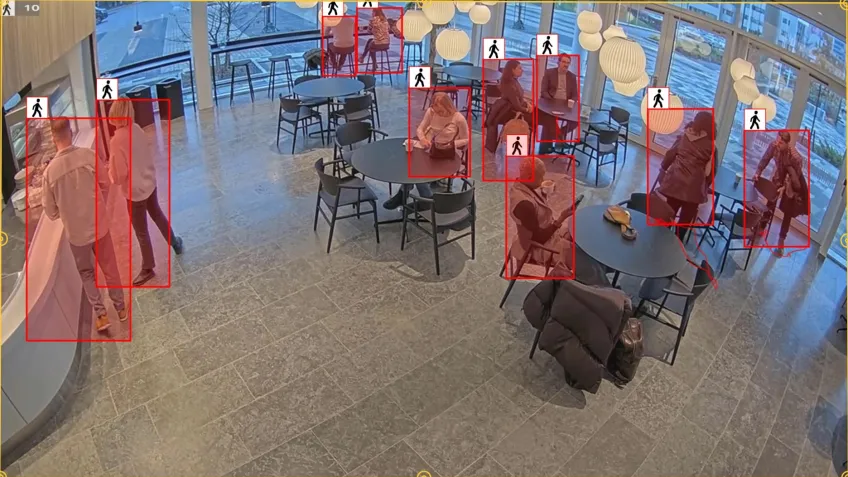
But what about other uses? Schools have used the technology they already have in place, and the data it collects to do more. Cameras and access control systems don’t just offer security, they can measure when parts of a campus are in heavy use, and when they are underused. That data can be used to improve efficiency – for example, IP cameras or IP-based access controls can detect when too many people are in one space, and can re-direct flow to less crowded spaces – a big issue on campus when students regularly move to their next class or lecture.
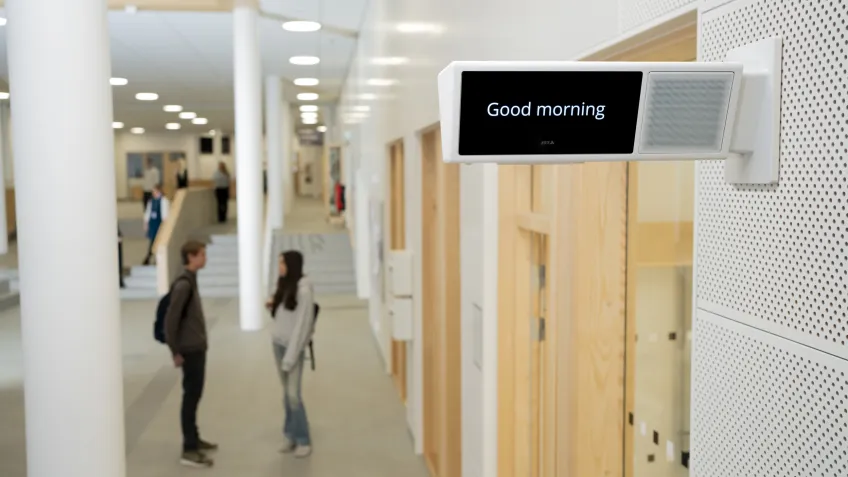
Some schools have gone further with their IoT rollouts, introducing better campus communications and environmental sensors, and found other use cases: better organization at busy drop-off and pick-up times, managing crowds at busy events, and tackling anti-social behavior such as vaping.

A recent report, ‘Smart campuses, smarter decisions: unlocking the potential of IoT in schools’, examined these benefits in detail, and the challenges schools face in their implementation.
If IoT can introduce these efficiencies, building on technologies that already exist, why aren’t more schools doing this? Ironically, the problem is often lack of knowledge. No one can implement solutions they don’t know exist.
Tunnel vision and a lack of knowledge
Part of the problem is one of focus. Schools have security and safety top of mind – and rightly so. They want to, and are required to, create an environment where students and staff are safe and feel safe. Investments in security are prioritized.
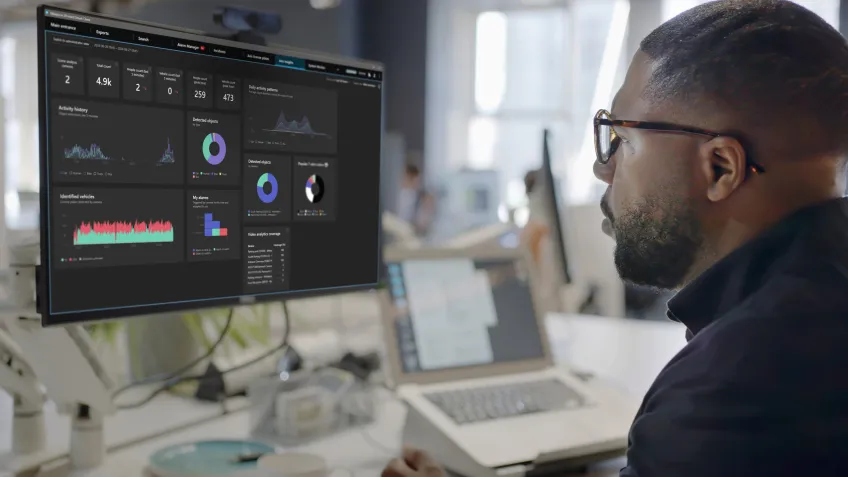
This does sometimes mean that other benefits are overlooked. Access control systems keep out those who should not have access, but they also provide detailed information about when and where individuals enter buildings. Over time, this data can reveal patterns and opportunities to optimize how spaces are used, potentially reducing energy consumption or informing future planning decisions. Modern video surveillance systems can, when partnered with analytics software, generate actionable data such as usage trends, occupancy levels, and bottlenecks in high-traffic areas. Analytics can also enhance security – smart searching can save hours manually scrubbing through footage to isolate incidents or the movements of specific people.
But security investments are planned and judged on their effect on security. When an upgrade in security is planned, the school’s needs will be scoped and specified by expert consultants. Tasked with tendering bids for such a project, going above and beyond this security remit will be seen as “scope creep”.
On one side you have schools that are unaware of what the technology they have is capable of, and won’t know to specify it, and on the other the consultants working on behalf of schools, working to specification. Each part is working as it should – but the result is that additional benefits are left unlocked.
Closing the knowledge gap
How should schools fix this gap and make sure they are making the best use of the IoT assets they have in place now, and plan on installing?
The first step is better communication between departments. Those responsible for IT, security, and facilities management all need to make sure that they understand each other’s needs and how IoT rollouts could be used for the benefit of all. If these teams and individuals work in siloes, technology rollouts are more likely to solve single problems rather than many.
There is also a responsibility for consultants to be more proactive in making sure their clients get all the benefits of their IoT rollouts. Scope creep remains something to be avoided, but this is not the same as unlocking additional benefits. Again, the solution lies in two-way communication – schools communicating their broader needs, consultants giving schools more information on what is possible.
Finally, there is, of course, a responsibility on IoT vendors to provide the right information and educate the educators with an understanding of the benefits of IoT beyond security. Schools should be able to look to vendors not just as a supplier of hardware and software, but for a better understanding of IoT.
In short, the solution is communication between departments, consultants, and vendors, to find solutions that can do more.
