

Security requirements are becoming more complex as threats and environments evolve. From construction sites and retail premises to large-scale events and remote industrial operations, mobile surveillance systems are emerging as flexible alternatives which can adapt to changing environments and use cases.
Despite being the commonplace solution, traditional fixed surveillance systems are not always suitable for all conditions. These solutions offer high-quality results and significant value. The main drawbacks are the installation cost, reliance on existing infrastructure, and the difficulty of repositioning them later.
For temporary or evolving sites, this often results in gaps in coverage at the very moment that security is most critical.
As noted in this year’s Tech Trends, mobile surveillance systems offer a more flexible approach. These solutions combine portability with advanced technology. This allows you to deploy remote video surveillance quickly and effectively. The result is continuous protection without the need for permanent infrastructure.
What is a mobile surveillance system?
Before looking at the benefits, it’s best to start with a definition. A mobile surveillance system is a portable, self-contained security solution designed for rapid deployment.
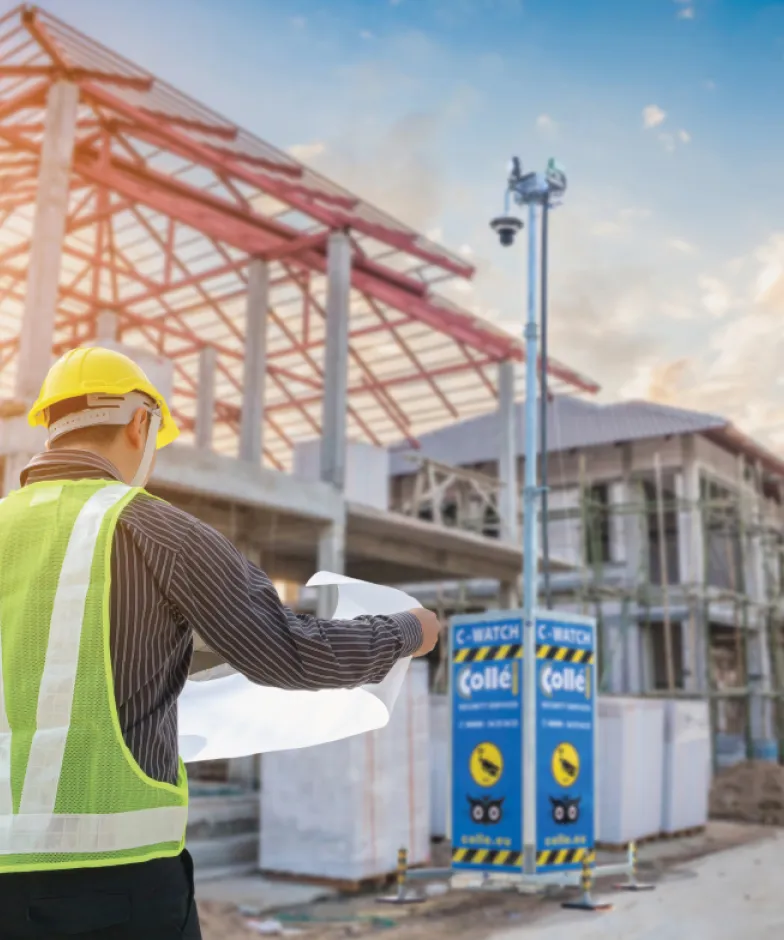
These systems are fundamentally different from fixed installations. They are all-in-one solutions, integrating cameras, connectivity, power, and video management into a single, mobile unit. This design means they can be installed and relocated with minimal effort.
This flexibility makes them particularly well suited to temporary environments, such as construction projects, public events, or sites without access to existing infrastructure.
Systems can be deployed within hours, repositioned as risks change, and reused across multiple locations. This provides a scalable and efficient approach to mobile security, even within the same organization.
Importantly, mobile systems do not compromise on performance. The technology behind remote video surveillance has advanced significantly. Cameras, analytics, power, and connectivity have all improved. As a result, modern systems deliver high-quality, real-time monitoring. They also provide reliable remote access.
5 benefits of using mobile surveillance
Security strategies tend to focus on preserving the safety and security of employees, visitors or residents within a certain area and prioritize the long-term reduction in crime and incidents. Mobile solutions form a key part of this strategy, often matching or exceeding the capabilities of fixed solutions.
Deter potential criminals effectively
The visible presence of a mobile surveillance camera system acts as a strong deterrent to crime. Cameras mounted on trailers or poles signal that a site is actively monitored, reducing the likelihood of theft, vandalism, and unauthorized access by perpetrators.
This is particularly important in sectors such as construction, where losses from theft and damage remain significant. In fact, it has been reported that in the US this industry loses between $300m and $1bn annually.
Modern systems can actively deter incidents, not just record them. When suspicious behavior is detected, the system can trigger audio warnings and real-time alerts. This early intervention helps stop issues from escalating.
Monitor your site from anywhere
With remote video surveillance, organizations can maintain continuous oversight of their sites regardless of location. Live and recorded footage becomes accessible via mobile devices or control rooms, enabling real-time visibility across one or multiple sites.
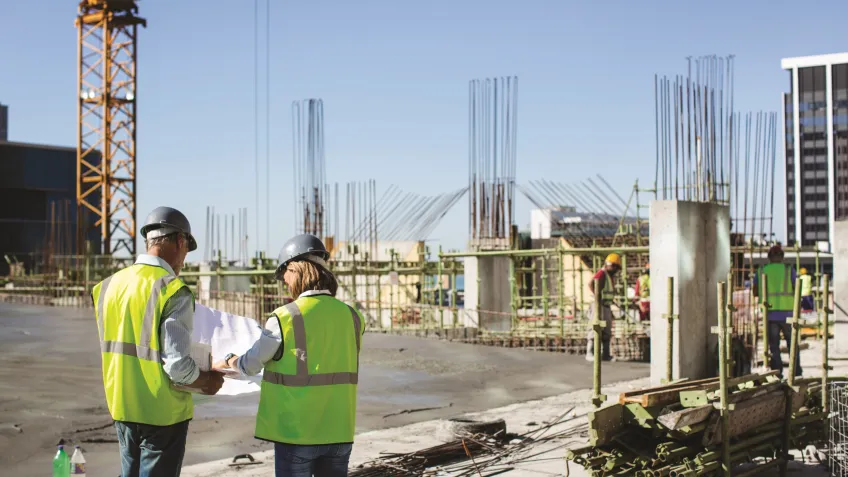
This remote access supports faster decision-making and more efficient operations, while maximizing staff resources. Whether verifying an alert or assessing a potential safety issue, having immediate visual insight allows teams to respond quickly and with confidence.
Reduce security costs significantly
Mobile video surveillance provides a cost-effective alternative to traditional security measures. While on-site guarding remains important in many cases, maintaining round-the-clock physical presence can represent a significant investment.
Mobile systems reduce this dependency by delivering continuous monitoring at a lower cost. Because they do not require permanent infrastructure and can be reused across different locations and use cases. Organizations also benefit from lower upfront investment and greater long-term value.
Improved private cellular connectivity has further enhanced affordability, making high-quality surveillance more accessible for different industries.
Deploy security in any location quickly
Speed is critical in many security scenarios. If an incident does occur on a construction site or at an event, quick interventions often limit or even mitigate the impact.
A mobile surveillance trailer can be deployed and operational within hours, ensuring that security keeps pace with operational needs. These systems are equally effective in urban and remote environments, providing reliable coverage even where physical infrastructure is limited or unavailable.

Customize your security setup easily
Finally, every site has unique requirements, and mobile surveillance systems are designed to be flexible and adapt accordingly. Configurations can be tailored to address specific risks. You have options to integrate different camera types (such as the PTRZ camera), analytics, and other technologies. This can include additions like radar or audio systems.
As conditions change, systems can be repositioned or adjusted without significant disruption. This flexibility ensures that security remains aligned with operational needs, rather than constrained by fixed installations.
The technology powering modern mobile surveillance
The fundamental job of a surveillance solution is to capture usable video. This means the imagery must be clear enough to identify exactly what is happening and who is involved. These systems use a range of technologies, from low-light cameras to video analytics, to ensure they deliver on this objective.
Elevate threat detection with AI
Artificial intelligence plays a central role in modern remote video surveillance cameras, as it can be used to analyze scenes in real-time and trigger an action. This is often achieved by edge-to-edge technology, which enables edge devices to connect with each other, or pair, without having to communicate with the core of the system.
Advanced analytics enable systems to establish context and distinguish between routine activity and genuine threats. Audio analysis provides additional information on an incident. For example, whether raised voices indicate excitement or aggression. AI-driven analysis can detect behaviors such as intrusion or loitering and trigger real-time alerts.
In industrial environments, it can also support safety compliance by identifying risks such as missing protective equipment or unauthorized movement within restricted areas. Automatic messages can be triggered to remind people to wear PPE or to leave a hazardous area.
Enhance visibility with high-definition and thermal cameras
High-quality imaging is essential for effective surveillance. Today’s mobile surveillance cameras provide high-definition video, ensuring clear visibility in a wide range of conditions, including low light or smoky environments.

Thermal cameras further enhance performance by detecting heat signatures, making them particularly useful in low-light environments or for monitoring equipment. This combination provides reliable detection and situational awareness around the clock.
24/7 professional monitoring services provide an ‘always on’ advantage
Many mobile video surveillance solutions are supported by professional monitoring services, providing continuous oversight by trained operators. These teams can verify alerts, assess situations in real time, and initiate appropriate responses.
This added layer of support ensures that incidents are handled quickly and effectively, strengthening overall resilience and reducing the burden on on-site personnel.
Enable solar powered independent operations
Power availability can be a challenge in temporary or remote locations. To address this, many mobile surveillance trailers are equipped with solar power technology, enabling them to operate independently of the grid.
By combining solar panels with battery storage, these systems can deliver continuous performance while reducing both the environmental impact and operational costs. This makes them particularly valuable in remote industrial settings and infrastructure projects.
How mobile surveillance can benefit multiple industries
Mobile surveillance is a powerful tool for any situation requiring temporary or easily repositioned security. If you need to protect assets on a short-term project, secure a pop-up event, or monitor a changing perimeter, these units provide an immediate and effective solution.
Tackling the high crime incidence in the construction industry
Construction site security is one of the most common applications for mobile surveillance. Sites are often exposed and constantly changing, making them vulnerable to theft, vandalism, and unauthorized access.
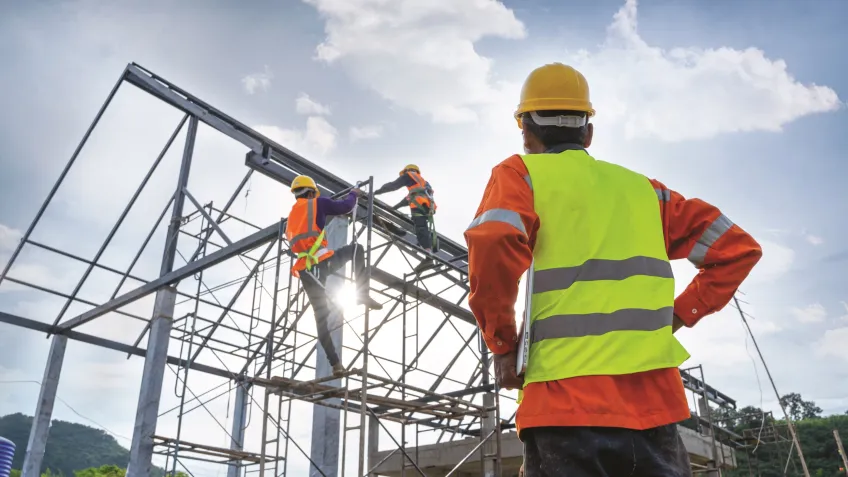
Mobile surveillance provides continuous monitoring, helping to protect assets while also supporting health and safety oversight.
Remote access allows site managers to respond quickly to incidents and maintain visibility across multiple projects. This makes it easier to coordinate responses or spot patterns in incidents if they are connected.
Monitoring large events and crowds
Temporary events present unique security challenges due to high footfall, limited visibility and rapidly changing conditions. Mobile systems enable organizers to deploy security for venues quickly and adjust coverage as needed.
Real-time monitoring supports crowd management and helps identify potential risks early, contributing to a safer environment for attendees.

Protecting commercial and retail properties
Vacant or temporarily unused properties are at increased risk of intrusion and damage. Vacant property security using mobile surveillance ensures ongoing protection between occupancies, without requiring permanent installation.
Even for occupied premises, transitional periods can represent a risk. Collé Rental & Sales faced a similar issue and needed round-the-clock surveillance for its rental sites.
By implementing mobile surveillance solutions to provide 24/7 coverage of sites, they achieved their security objectives without the need for on-premises staff.
Parking lots can also be targeted by criminals. For large retailers, these areas tend to be vast and lack infrastructure for fixed solutions by nature. As such, mobile solutions can help maintain visibility and reduce risk across the entire site.
Enhancing security for industrial facilities
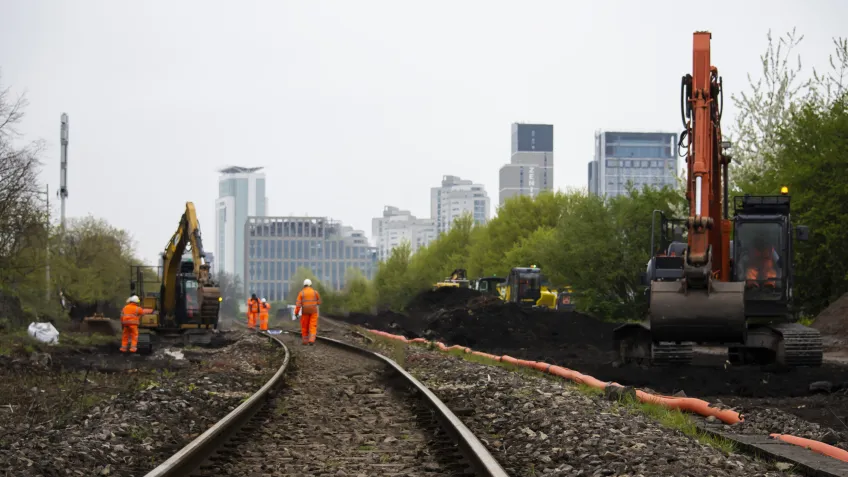
Industrial environments often operate in remote or complex conditions. These can have an impact on factors such as access, power availability and response times.
Mobile surveillance provides a flexible solution for monitoring both security and operational risks, from intrusion detection to equipment monitoring, for example overheating.
This is particularly relevant for sectors such as oil and gas, where sites can be hazardous and as a result, safety, compliance and rapid response are critical.
Managing logistics and storage yard safety
Logistics and storage sites require consistent oversight to prevent losses and maintain efficiency. Due to the size and layout of many logistics and storage sites, fixed solutions may not be able to provide the extent of coverage to support security operations.
Mobile systems provide wide-area coverage, enabling operators to monitor activity, verify movements, and deter unauthorized access.
Conclusion
Although fixed solutions will continue to provide value and ROI for organizations, mobile surveillance is emerging as an alternative approach to achieve security and safety objectives.
In some cases, it is worthwhile to deploy both fixed and mobile solutions in conjunction to get the best of both worlds.
As industries and technologies evolve, so do threats. By adopting flexible and adaptable methods of surveillance, organizations can mitigate threats and reduce the incidence of crime on their sites.
FAQs
Looking for more information? We've answered some of the most common questions about mobile surveillance.
How much does a mobile surveillance trailer cost?
The cost of a mobile surveillance trailer varies depending on size, durability, and system configuration.
Factors such as power supply, connectivity, recording capabilities, and additional technologies like radar or thermal cameras all influence the price.
The level of customization required will ultimately determine the investment. For short-term or flexible needs, rental options are also available.
How long can a unit operate on its own?
Autonomous operation depends on system configuration and environmental conditions. Key factors include the capacity of the solar power system, battery storage, and the energy demands of cameras and other technologies.
Sunlight availability and data transmission frequency also play a role. Backup power options can further extend operational time.
What happens when the system detects an intruder?
The system triggers real-time alerts to designated contacts or monitoring centers. It can also activate deterrents such as alarms, strobe lights, or two-way audio communication.
At the same time, high-resolution video is recorded for verification and evidence. This enables a fast and informed response.
Can I view the camera feeds on my phone?
Yes, most modern systems support live viewing via mobile devices. This is enabled through cellular or satellite connectivity and access to a dedicated app or web portal.
Performance depends on signal strength and data connectivity at the site. Users can monitor activity in real time from virtually anywhere.
Is a permit required to deploy a surveillance trailer?
Permit requirements vary depending on location, duration, and local regulations. Factors include whether the unit is placed on public or private land and its intended use.
Local rules regarding temporary structures or visual impact may also apply. It is important to check with relevant authorities before deployment.
