

Critical infrastructure operators are under constant increasing pressure. Alongside aging infrastructure, labor shortages, evolving security threats (both physical and cyber), and fluctuating regulatory obligations, these organizations are expected to maintain continuous uptime and deliver the essential services that communities rely on each and every day.
That's why many organizations are turning to technology to extend the capabilities of their teams and improve operational resilience. For example, a modern surveillance system can combine radar, high-resolution imaging, visual and non-visual cameras, and AI-powered analytics. Together, these technologies help teams proactively identify and respond to risks in real time while improving overall operations.
In this blog, we'll explore how these modern network technologies are helping critical infrastructure organizations maintain operational continuity while achieving smarter and safer operations.
3 ways to experience smarter, more efficient operations
By combining intelligent video analytics with connected devices, critical infrastructure organizations can gain deeper operational insights and improve overall efficiency.
1. Improve workforce efficiency and process visibility
Understanding how work is performed throughout a facility can reveal opportunities to improve productivity and streamline operations. Identifying where tasks take longer than expected or where bottlenecks occur can play a significant role in helping managers make more informed operational decisions.
Intelligent video analytics can help operators better understand how work is performed throughout a facility. Using a solution such as AXIS Object Analytics with the time in area scenario, operators can measure how long workers, equipment, or materials remain in specific locations. These insights make it possible to identify process inefficiencies and opportunities to optimize workflows, all without disrupting day-to-day operations.
2. Enhance process monitoring and anomaly detection
Many critical infrastructure facilities rely on complex processes that require consistency and efficiency. By proactively detecting any irregularities, facilities will be better prepared to prevent equipment failures and production disruptions.
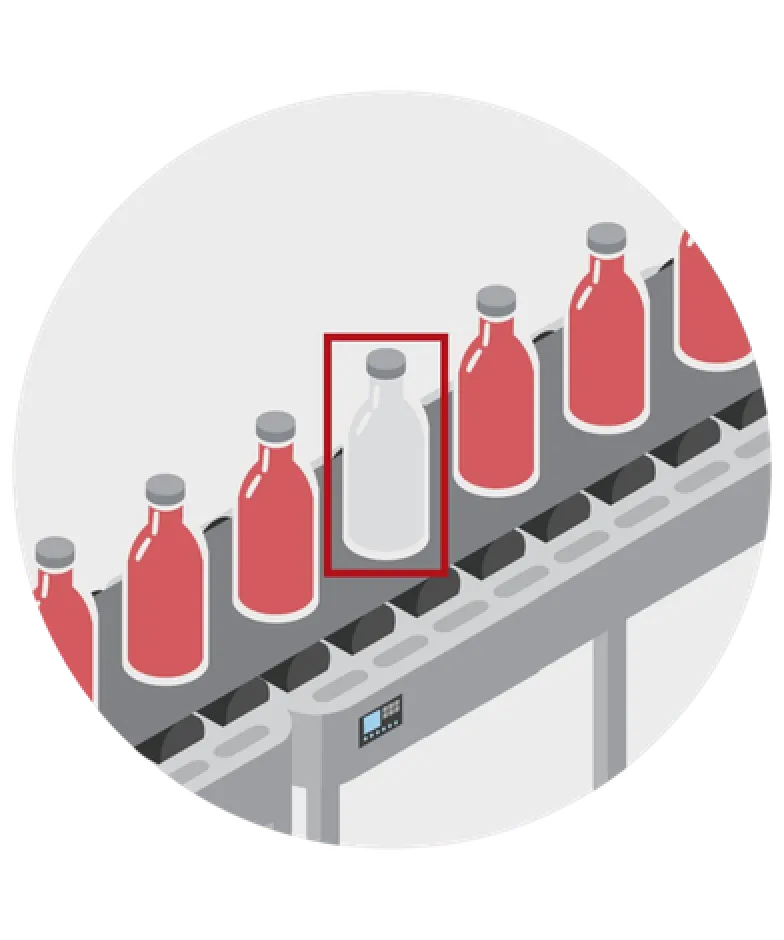
Anomaly detection is an invaluable tool to avoid costly downtime. Devices such as AXIS F2107-RE Standard Sensor can be placed in hard-to-reach locations along the production line, providing operators with greater visibility into critical processes. When paired with intelligent analytics, operators can automatically identify defects or developing issues before they turn into larger risks.
For example, in a water treatment facility, analytics can detect abnormal material movement through pumps or filtration systems, allowing teams to investigate and address potential issues before they disrupt operations. Continuous monitoring also provides valuable operational insights that can assist in optimizing workflows and improving overall system performance.
3. Accelerate incident response through visual verification
Not every alert requires an immediate response, and false alarms can consume valuable time and resources. Quickly understanding what is happening on-site helps teams prioritize incidents and respond more effectively.
That’s where visual verification comes into play. By combining intelligent analytics with technologies such as AXIS Q6358-LE PTZ Camera or AXIS Q1686-DLE Radar-Video Fusion Camera, operators can receive real-time visual context following an alert and determine whether further action is needed.
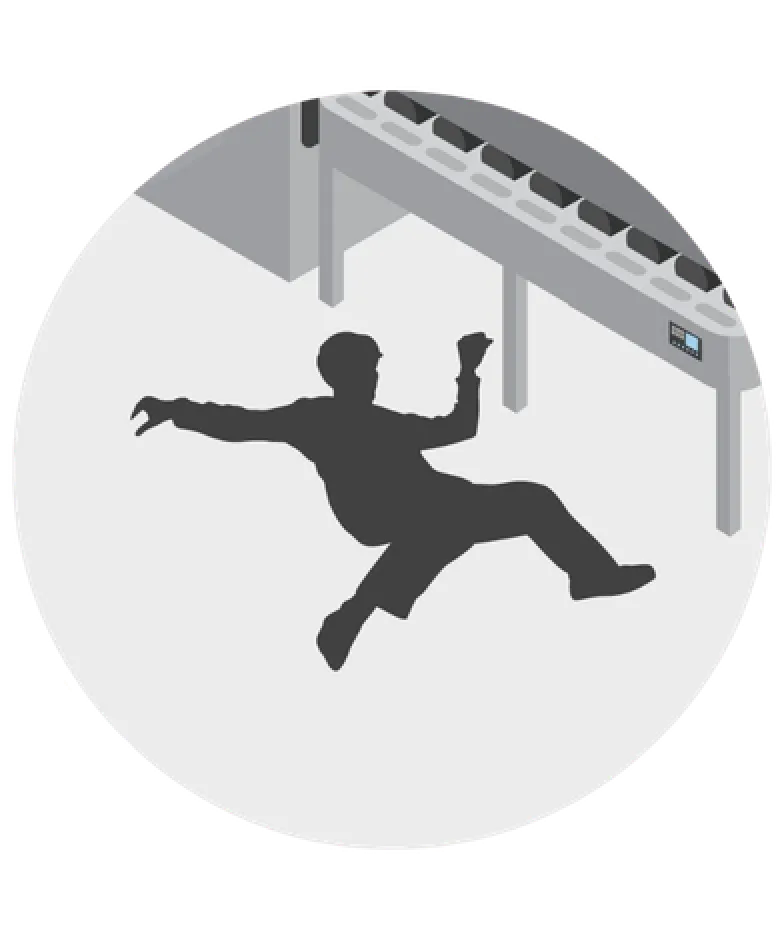
For example, if a "man down" analytic triggers an alarm, security or operations personnel can quickly determine whether a worker requires immediate assistance or is simply performing a task in an unusual position. Similarly, perimeter alerts can be visually verified to distinguish legitimate threats from non-threatening activity, like wildlife moving through the area.
Combining radar, analytics, and high-quality imaging provides an additional layer of situational awareness. This ultimately helps teams make faster, more informed decisions while reducing any unnecessary responses.
3 ways to create a safer, more responsive environment
A safer critical infrastructure environment helps protect workers and assets while meeting the daily expectations of essential services.
1. Improve worker safety through PPE compliance monitoring
Worker safety remains a top priority in critical infrastructure. This is especially true in areas that involve heavy machinery and hazardous materials. Ensuring workers consistently follow safety protocols can help reduce the risk of accidents and create a safer work environment.
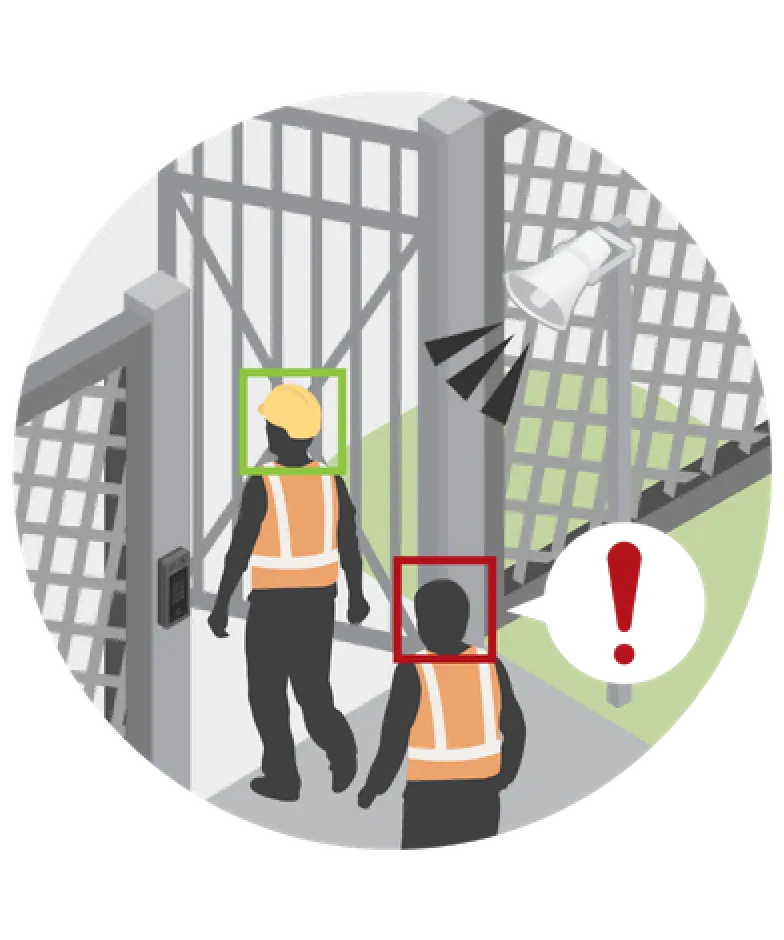
To address this challenge, facilities can turn to intelligent monitoring to identify whether workers are complying with safety regulations. Using cameras such as AXIS P3288-LV Dome Camera or AXIS Q6358-LE PTZ Camera with partner analytics, organizations can automatically detect whether workers are wearing required personal protective equipment (PPE) and following established protocols. If non-compliance is identified, alerts can be generated so supervisors can quickly intervene.
By providing continuous monitoring and timely notifications, these solutions help reinforce and support safety best practices while reducing manual oversight.
2. Detect potential fire risks before they escalate
Early detection is critical when protecting both staff and the actual facilities that contain valuable equipment and operational systems. Identifying potential fire risks before they escalate will naturally improve overall safety, but it can also help minimize damage and reduce downtime.
Thermal imaging and intelligent smoke detection provide an additional layer of protection by identifying abnormal temperature increases or early signs of smoke before a fire becomes visible. Solutions such as AXIS XFQ1656 Explosion-Protected Camera with built-in smoke alert analytics or AXIS Q1961-TE Thermal Camera help operators detect these potentially dangerous events in their earliest stages.
Advanced filtering capabilities help minimize any false alarms by distinguishing between genuine threats and genuine, expected heat sources. This allows teams to focus on the incidents that require their immediate attention.
3. Keep restricted areas clear of unauthorized personnel
Many critical infrastructure environments feature hazardous areas that should only be accessed by authorized personnel or by no one at all. These critical zones include the likes of high-voltage substations, water treatment systems, control rooms, equipment yards, HVAC infrastructure, or industrial zones with heavy machinery. Preventing unauthorized access helps reduce the risk of accidents and protects both people and critical assets.
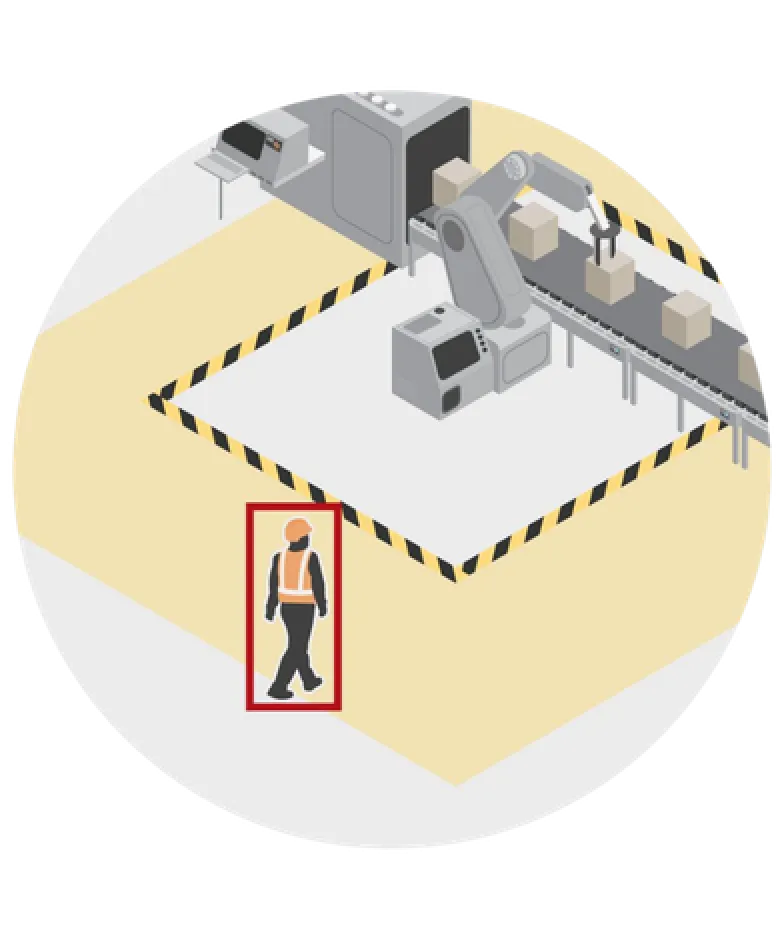
Intelligent perimeter monitoring helps organizations detect and respond to those unauthorized entries in real time. Using AXIS Object Analytics with line-crossing detection, together with solutions like AXIS P3288-LV Dome Camera, AXIS Q6358-LE PTZ Camera, or AXIS C1310-E Mk II Network Horn Speaker, the system can trigger alerts and issue live or automated audio warnings when someone crosses that designated boundary.
This often serves as enough of a deterrent to prevent any unauthorized individuals from breaching a restricted area. This proactive approach also naturally helps reduce the risk of accidents and reinforces relevant safety protocols throughout the facility.
Your path toward smarter, safer critical infrastructure
Approaching critical infrastructure security, operations, and safety as separate functions is outdated. These must now be viewed as an integrated system. These intelligent technologies enable organizations to adopt a resilient, multi-layered approach that not only improves production, safety, and security, but also better protects these essential services communities depend on every day.
