

Technology in law enforcement has long been a hot topic. Given the already high levels of surveillance in correctional facilities, adding a new layer to that has been a subject of intense discussion.
As with the introduction of any technology, there are pros and cons to body cameras. They do offer new possibilities and opportunities
In this blog we’ll take a deep look at how they would work within a correctional facility, the benefits, as well as answer some of the questions around body worn in prisons.
The growing importance of body cameras in corrections
The push for modernizing corrections is more than just new buildings or technology, it's about creating safer environments for both officers and inmates. A correctional officer's body camera is becoming a critical piece of this modernization. It serves as an impartial witness, capturing the complex and often tense reality of life inside a facility.
The growing demand is a direct response to the need for objective evidence, a tool to de-escalate volatile situations, and a way to build public trust in the institutions responsible for inmate care and custody.
This demand was made louder after the December 2024 death of Robert Brooks in the Marcy Correctional Facility in Oneida, New York. The alleged assault by prison staff was captured on body cameras.
Within two weeks the footage was released by the New York attorney general, and action was swiftly taken. This highlighted how effective a tool body worn cameras in correctional facilities can be.
Stationery cameras vs. body worn cameras
Stationery cameras and body worn cameras serve very different purposes and solve fundamentally different problems. It’s important to understand how each can best be used to avoid potential blind spots and unnecessary costs.
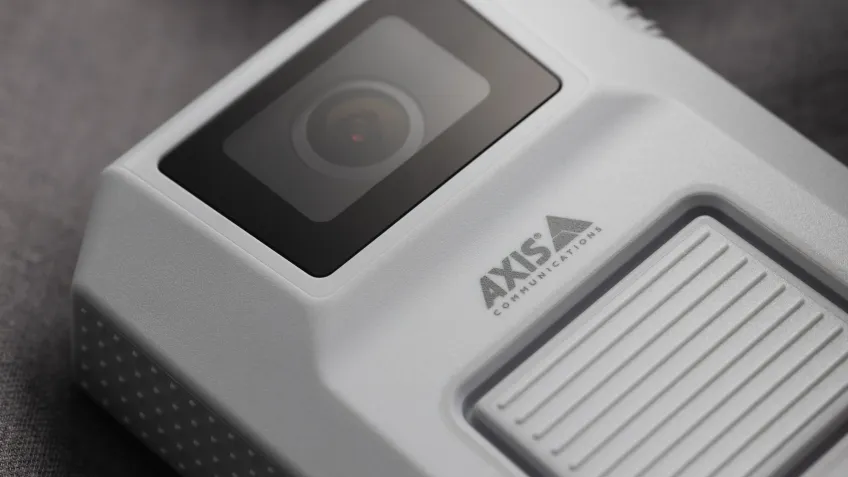
A stationery camera, usually mounted to a wall, ceiling, or pole, will record a fixed scene. This could be a hallway, a communal room, or an exercise yard. Its fixed setting can provide a birds-eye view of any incident that may have occurred and provide content to any situation.
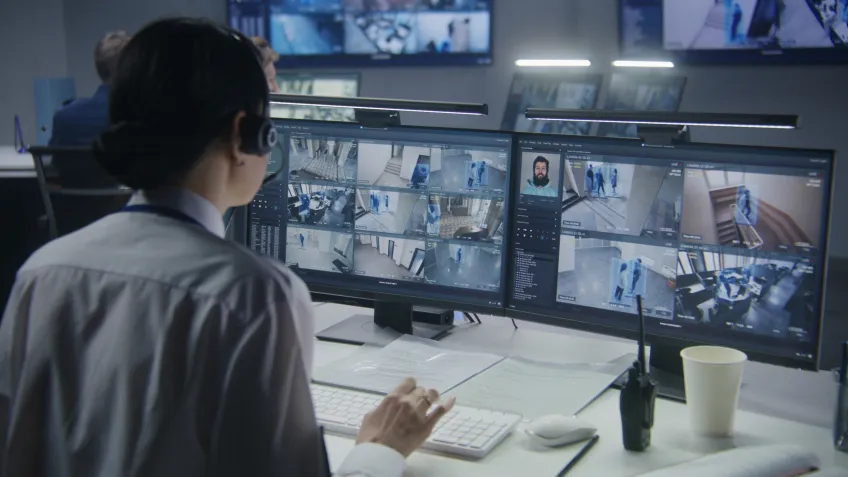
Most camera set-ups can record in 1080p or higher, support night vision, and can feed directly into a central monitoring system. This allows officers to oversee multiple feeds from one location.
The trade-off, however, is that its fixed position means it can be worked around, avoided, or subjected to targeted vandalism. However, with proper planning and site design these concerns can be minimized.
A body worn camera can offer valuable insights a stationery camera cannot. By being clipped to the chest of a correctional officer, it can capture everything the wearer sees and hears. This can be especially useful in areas where fixed cameras cannot see or be used.
The downside here, however, is that body cam footage may miss the wider context of a situation, in the way that a stationery camera would capture. To ensure maximum coverage and situational context, an integration of stationery and body worn is ideal.
7 key benefits of implementing body cameras in correctional facilities
At its core, adopting body-worn cameras in jails is about fundamentally improving the operational environment. When a correctional officer's body camera is active, it introduces a powerful layer of accountability that benefits everyone.
From reducing conflict to streamlining legal processes, the advantages are compelling and far-reaching.
Improve officer and inmate safety
The primary benefit of a correctional officer’s body camera is the enhanced safety for everyone in the facility. The mere presence of a camera often acts as a deterrent to aggression from inmates and encourages professionalism from staff.
Knowing that actions are being recorded can de-escalate a potentially violent encounter before it begins, creating a less volatile and more secure environment.
Capture high-quality evidence for incidents
When an incident does occur, from a physical altercation to an inmate complaint, video footage provides an unbiased account. This evidence is invaluable for internal investigations, disciplinary hearings, and legal proceedings.
It also protects officers from false accusations and ensures that inmate complaints are investigated with objective, high-quality information, rather than relying solely on witness testimony.
Reduce frivolous complaints and lawsuits
False allegations can drain a facility's resources, time, and morale. A correctional officer's body camera system can significantly deter and disprove unfounded claims against officers.
When inmates know that their interactions are recorded, the likelihood of fabricated complaints drops. For the complaints that are filed, video evidence can quickly resolve the issue, often preventing costly and lengthy lawsuits.
Enhance training and performance reviews
Video footage is one of the most powerful training tools available. Supervisors can review real-world interactions with officers to highlight examples of excellent work or identify areas for improvement. This allows for targeted, scenario-based training on topics like de-escalation techniques, policy adherence, and crisis response, leading to a more skilled and effective workforce.
Increase transparency and public trust
Implementing body cameras in prisons demonstrates a commitment to openness and accountability. It sends a clear message to the public, oversight bodies, and inmates' families that the facility is dedicated to upholding professional standards and ensuring a safe and humane environment.
Encourage de-escalation and professionalism
The "civilizing effect" is a well-documented phenomenon where individuals behave more professionally and calmly when they know they are being recorded. This can lead to a reduction in the use of force, as officers are more inclined to use verbal de-escalation techniques first.
Document interactions for accurate reporting
Reports written from memory can contain unintentional errors or omissions. Body camera footage provides a perfect supplement, allowing officers to write more accurate and detailed incident reports.
They can review the recording to ensure they recall conversations, actions, and timelines with precision, strengthening the quality and reliability of institutional records.
Addressing the primary challenges and concerns
While a correctional officer's body cam offers significant benefits, a successful rollout requires navigating legitimate challenges. These are not minor details. They are critical issues of privacy, cost, and policy that must be addressed head-on to ensure the program is effective, sustainable, and fair to both staff and inmates.
Protect inmate and staff privacy
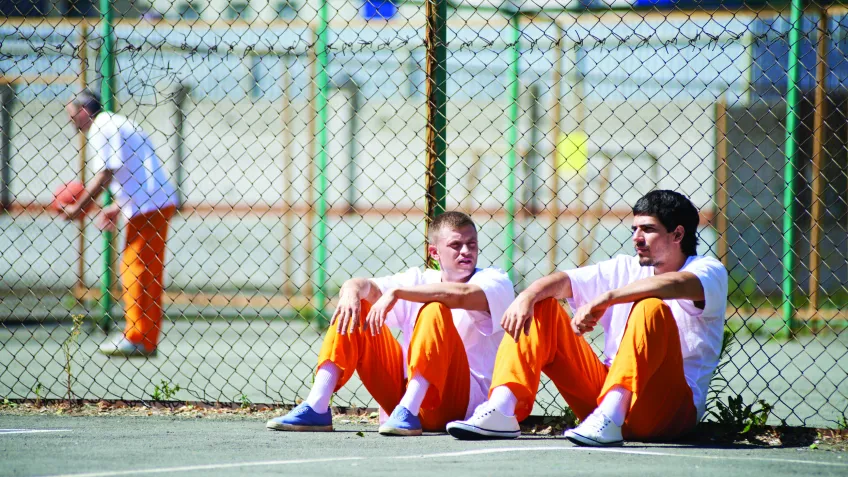
Prisons and jails are living spaces. Inmates have a right to privacy in certain situations, such as when receiving medical care, during legal consultations, or in housing units.
Likewise, officers have concerns about cameras recording private conversations with colleagues. A comprehensive policy must clearly define when cameras should be on or off to balance the need for accountability with the right to privacy.
Manage secure and cost-effective data storage
A fleet of body cameras generates an enormous amount of data, and every byte needs to be stored, managed, and secured. The costs associated with cloud or on-prem storage are often higher for corrections due to the 24/7 nature of the environment.
Facilities must have a strong system in place to prevent data breaches, manage retention schedules, and ensure the chain of custody for evidentiary footage is never broken.
This does, of course, depend on the policy in place. If it requires cameras to constantly record, then the data generated and stored will be higher than that of manual activation.
Develop clear and comprehensive usage policies
Policies are essential for the use of cameras. Leadership must develop a clear and unambiguous framework that governs every aspect of the body camera program. Who gets a camera? When must it be activated? How is footage accessed? What are the penalties for non-compliance?
Leaving these questions unanswered can undermine the entire program and lead to confusion and inconsistent applications.
Overcome staff resistance and ensure buy-in
Not all officers will welcome the arrival of body cameras. Some may view them as a sign of mistrust from management or worry about footage being used punitively for minor infractions.
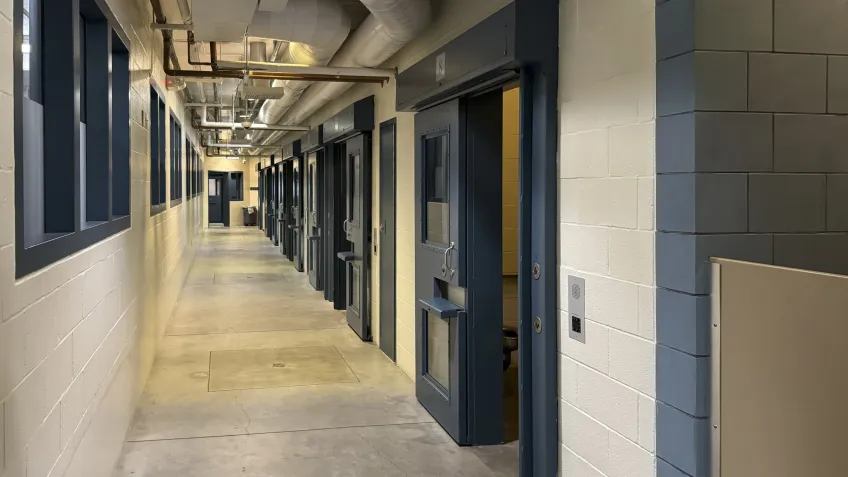
Overcoming this resistance requires transparent communication. It is crucial to involve officers in the planning process and to frame the cameras as a tool for their protection and to support their professional conduct.
Navigate the complexities of footage redaction
When body camera footage is released to the public or used in court, sensitive information must often be redacted. This can include the faces of uninvolved inmates, medical information, or details of a security system.
Redaction can be a time-consuming and technologically complex process. A facility must have the right software and trained personnel to handle these requests efficiently while complying with privacy laws.
Original footage is immediately tamper-proofed, using digital signatures to secure its integrity as verifiable evidence. When footage needs to be shared, a redacted copy is created to mask sensitive data for privacy and legal compliance.
Secure funding for initial and ongoing costs
The price of a correctional officer's body camera program extends far beyond the initial purchase of the hardware. It is a significant, long-term financial commitment.
Budgets must account for the cameras, data storage, redaction software, replacement units, and administrative overhead for the life of the program. Securing a stable funding source is a critical first step before any cameras are deployed.
How to implement a successful body camera program
A successful body camera program is the result of careful planning, strategic decision-making, and a phased approach. Considering the unique operational realities of a correctional environment, a structured implementation plan helps anticipate challenges and builds a strong foundation for long-term success.
Choose the right body camera vendor
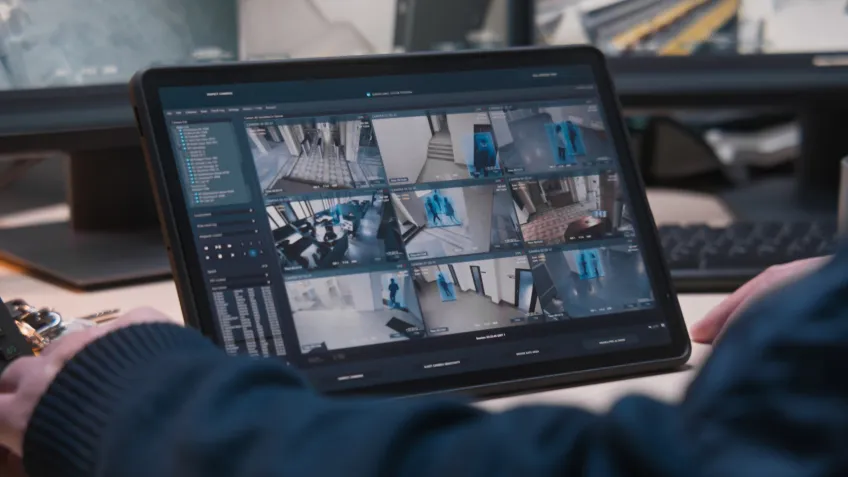
Not all body cameras are the same. Look for a vendor that understands the specific demands of a corrections environment. Key features to consider include durability, field of view, low-light performance, audio clarity, and battery life that can last an entire shift. Critically, evaluate the vendor’s data management system for its security, ease of use, and redaction capabilities.
Create a comprehensive policy framework
Create any policy in collaboration with command staff, correctional officers, and legal counsel. This document is the bedrock of your program. It should be detailed, easy to understand, and leave no room for ambiguity regarding activation, deactivation, data access, and privacy protocols.
Train officers on technology and policy
Effective training goes beyond just showing officers how to press the record button. It must cover both the technical operation of the camera and a deep dive into the usage policy.
Use scenario-based exercises to ensure officers are confident in using the technology and understand their responsibilities in various situations. This builds competence and reinforces the goals of the program.

Communicate the program to inmates and the public
Transparency is key to building trust. Formally announce the implementation of the body worn camera program to the inmate population. Explain why the cameras are being used and how the footage will be handled.
Post signage in areas where recording will take place. This communication can help reduce inmate anxiety and demonstrate the facility’s commitment to accountability.
Evaluate and refine the program regularly
A body camera program is not a "set it and forget it" initiative. Technology evolves, laws change, and new challenges will emerge. Establish a regular review process to evaluate the program's effectiveness. Analyze data on use-of-force incidents, inmate grievances, and officer feedback to identify what's working and where adjustments are needed.
The future of body cameras in corrections
The correctional officer body camera of today is just the beginning. This technology is rapidly evolving, and future advancements promise to make it an even more integrated and powerful tool for managing correctional facilities. The focus is shifting from simple recording to intelligent analysis and real-time operational awareness.
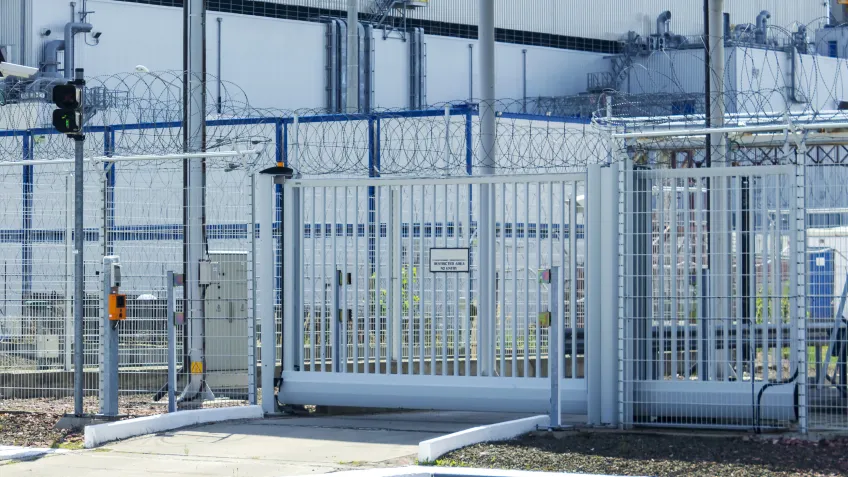
Looking ahead, we can expect to see the integration of AI to analyze footage for potential threats or to automatically categorize incidents. Live-streaming capabilities could give command staff real-time eyes on a developing crisis, enabling better resource deployment.
Integration with other facility sensors, such as door alarms or audio detection systems, could automatically activate a body camera to begin recording. The future lies in creating a connected system where data provides predictive insights, not just a reactive record.
FAQs
We've answered some of the most frequently asked questions about correctional officer body cameras.
What is the primary purpose of body cameras in a correctional setting?
The primary purpose of body cameras in correctional settings is to improve the safety and security of staff and inmates. They also serve to increase transparency and accountability by providing objective documentation of interactions and incidents. This footage can also be used as a tool for training and performance evaluation for correctional officers.
Are there privacy concerns for inmates with the use of body cameras?
Yes, there are potential privacy concerns for inmates. A major issue, for instance, is that body cameras could record confidential information, such as an inmate's medical details, during routine interactions or emergencies. This can be avoided with redaction features.
It is important to know and understand the policies and legislation around privacy, even in correctional facilities.
How is the data from body cameras stored and managed?
Body camera footage is typically stored and managed through a range of ways. They can be either on-prem, cloud-based, or hybrid storage solutions and digital evidence management systems. These systems are often integrated with other facility technology, such as the Video Management System.
The retention period for footage can vary by jurisdiction and facility, with some keeping footage for as little as 28 days, while others may store it for 90 days or longer.
Do body cameras actually reduce use-of-force incidents in prisons?
While studies are still ongoing, the research suggests that body worn cameras do have a significant impact on the reduction of use-of-force incidents.
What is the cost of implementing a body camera program in a jail?
There is no single cost involved. There is the inital purchase of the cameras, then the ongoing, long-term costs. These can include data storage, training, updating, and overall management.
How does body camera footage affect legal proceedings?
The footage can be used as evidence to either support or challenge the accounts of those involved. It can provide an unbiased account of a situation or incident, which can then be used in any investigation.
