

Technology is becoming increasingly more wearable. While this allows for perspectives and points-of-view ordinarily unavailable, it also brings with it new benefits, as well as challenges.
Body worn cameras have been widely used in law enforcement but are now being used in other industries. As such, it’s important to better understand the benefits, as well as concerns, of body worn cameras.
Across this blog, we are going to explore what the pros and cons of body cameras are, highlight several key features to look for, and to provide 7 areas of use in everyday situations.
What are body worn cameras?
Modern body worn cameras were first introduced in 2005 as a tool to aid police officers in the United Kingdom. Since then, they have seen widespread adoption across a host of industries, such as retail, transport, and healthcare.
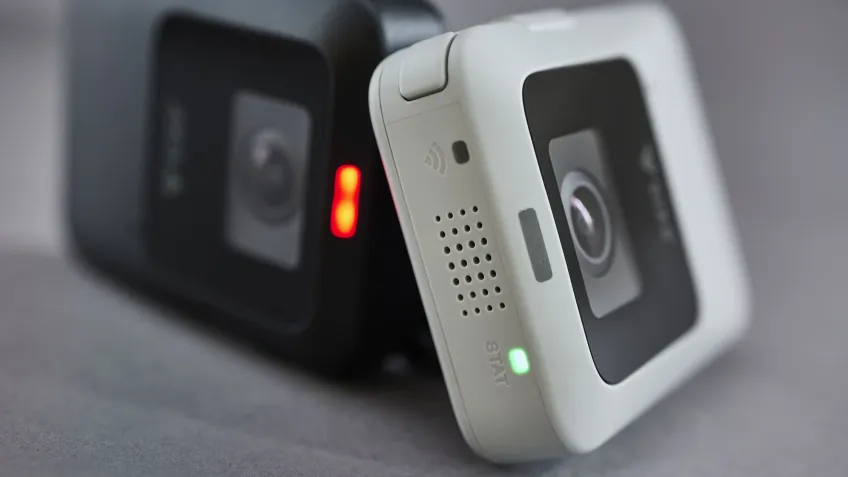
Designed to be compact, durable, and capable of capturing high-quality video and audio, all from the wearer’s perspective. Body cams can help in providing an objective record of events, which can be useful for training, investigations, and, if necessary, legal proceedings.
Like most technology, there are pros and cons of body worn cameras. However, the rapid embracing by industries show that, with a smart set up in place, and the right vendor in support, body cams can offer new advantages.
What are the pros of body worn cameras?
As previously mentioned, body worn cameras, traditionally associated with law enforcement, are being adopted by other industries. This is because of the range of benefits they offer wearers and their wider organizations.
Let's look deeper at what some of those benefits are:
Prevent violence
One of the key benefits of a body worn camera is that they act as a deterrent against violence. When, or even before, situations become hostile, alerting those involved to the presence of a body cam can often go some way to deescalating tensions.

This can have the effect of safer interactions for both wearers and the public, and ensure those interactions are resolved calmly and effectively.
Should a violent situation occur, however, the body worn camera can capture evidence of the event. This non-biased evidence can then be used in any legal or criminal proceedings that follow.
Strengthening public support
Another benefit that follows from the previous point is that body cams are an effective tool for strengthening public support. They offer increased confidence to both wearers and the public when knowing that interactions are being recorded.
As well as being a deterrent against aggressive behavior, they can help effectively and quickly resolve disputes, enhance public and wearer safety, and encourage transparency and accountability.
Evidentiary value
Evidence gathered by body worn cameras can be crucial in ensuring swift and fair investigations when necessary. They can capture, in high-quality audio and video, vital details that might otherwise be missed or disputed.

This can speed up any legal or criminal proceedings, and provide law enforcement with an objective recording of events and situations, offering a swift resolution for those involved.
However, it is important to note that evidence collected by body worn cameras is not automatically admissible and still has to meet strict legal requirements.
Minimize false accusations
Minimizing false accusations is also a significant benefit. Body camera footage offers accurate and reliable recordings of events and interactions. This can protect wearers and other individuals from false accusations.
Reduce complaints
By providing transparent and unbiased footage, body cameras can quickly resolve disputes and misunderstandings, as it provides an accurate and objective account of events.

Improve accountability
Improving accountability is another major benefit. Through an unbiased and transparent capturing of events in real-time, body cameras ensure wearers adhere to laws and regulations.
Enhance training
One benefit is the ability to boost training through captured footage. With body cameras being used to train professionals across a range of industries, providing real-life examples of both effective and ineffective interactions can provide new training opportunities.
This improves and enhances the learning experience, better preparing individuals for real-world situations.
What are the cons of body worn cameras?
While the advantages of a body worn camera, as listed above, are strong, there are also concerns to be aware of when considering a body worn camera solution.
Here are some of things to look out for, along with some tips on how to ensure you can minimize those risks:
Restricted privacy: Address potential privacy concerns
A notable drawback of body cameras is the potential for restricted privacy. Constant recording can infringe on the privacy rights of wearers and the public, especially in sensitive situations or private spaces.

This raises questions about consent and footage use, with risks of unauthorized access or misuse. Balancing transparency and accountability with privacy protection remains a significant challenge.
While there are laws and regulations, such as GDPR, around the use of body worn cameras and privacy protection, there are other solutions available. With the right partner you can complement your body cam system with features such as face-masking software.
Evidence tampering: Minimize risk of evidence tampering
Evidence tampering is a significant concern with body worn cameras. If footage is changed, manipulated, or shared, accidentally or deliberately, it can compromise the integrity of the evidence. This can lead to misinformation and wrongful conclusions.
Ensuring the security and integrity of body camera footage is crucial to maintaining its value as a tool for accountability. However, there are several ways in which this can be achieved.
Secure, edge-based solutions, such as Axis Edge Vault, offer signed video and authorized access. This solution also allows you to protect video data, ensuring its integrity and accessibility.
Selective activation
Selective activation is when wearers have the discretion to turn cameras on or off. This selectivity may result in crucial moments being unrecorded, either intentionally or unintentionally.
Selective activation raises concerns about transparency and accountability. If significant events are not captured on camera, it can lead to disputes and mistrust and undermines the purpose of body worn cameras.

However, some body cams have features that automatically start recording based on certain triggers. This can be drawing a holstered item, raised voices, or activating emergency lights, ensuring critical moments are captured.’
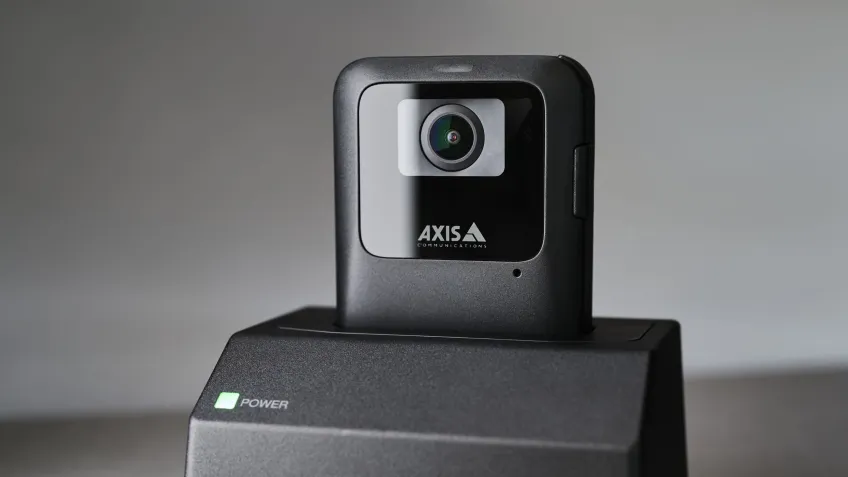
There are also policies that can be put in place in which the camera is automatically activated once it has been undocked from its station.
Be aware of recurring costs
The recurring costs of body worn cameras are something to be considered. Beyond the initial purchase, there are ongoing expenses for, among other things, data storage, maintenance, and software updates.
Additionally, the need for secure and scalable data storage solutions can drive up expenses. As the volume of recorded footage grows, so does the cost of managing and storing this data.
These costs can build up, making body camera programs costly for organizations, especially those with limited budgets. This is why it’s important to consider the wider total cost of ownership (TCO) when purchasing technology such as this.
Key features to look for in a body worn camera
As we have already touched on, there are both pros and cons of body worn cameras. However, with the right provider, any shortcomings can be addressed. In this section we will look to address them, and highlight a number of key features to consider:
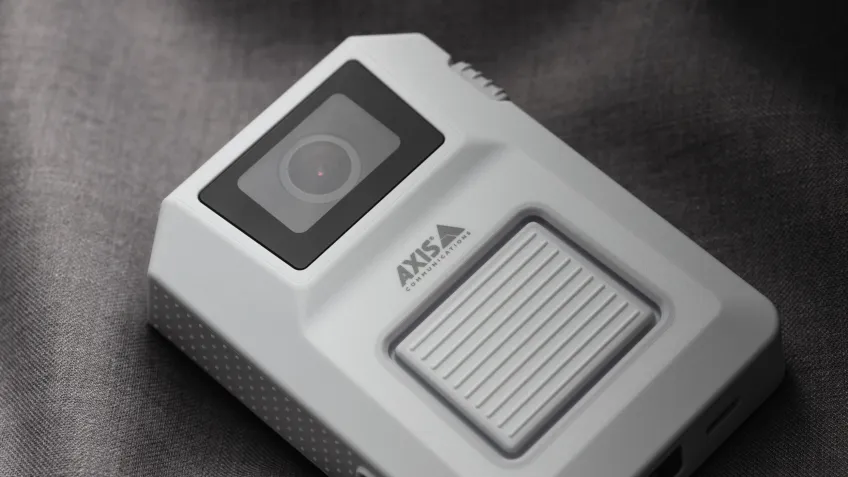
Durable hardware
Body cams are built to withstand harsh conditions, including extreme temperatures, rain, and physical impacts. This ensures they can operate reliably in various environments and situations.
Ease of use
Body worn cameras are designed for quick and easy operation. Features like single-button activation ensure that wearers can quickly start recording when needed.
Seamless integration
Body worn cameras can be integrated with other systems, such as Video Management systems, Real Time Crime Centers, or Digital Evidence Management systems. This integration enhances overall operational efficiency.
High-performing battery
Body worn cams are equipped with long-lasting batteries that can operate for extended periods, often ranging from 8 to 12 hours or more. This ensures continuous recording throughout a wearer's shift.
Real-time streaming
Some body cams offer live streaming capabilities, allowing real-time monitoring and situational awareness for command centers or other authorized personnel. AXIS Body Worn Live, for example, allows map view, for operators to view the location of cameras.
Unlimited scalability
Body worn cameras can be deployed across large organizations with ease, allowing for unlimited scalability to meet the needs of your industry. From single unit one camera systems to multi-unit systems, finding a vendor that offers scalability is key.
Customer support and warranty
Reputable body camera manufacturers provide comprehensive customer support and warranty services, ensuring that wearers have access to assistance and repairs when needed.
7 areas of use for body worn cameras
As we’ve previously mentioned, body worn cameras are becoming more common across a range of industries. Given their size, durability, quality, and scalability, they are ideal for use in the following sectors:

- Law enforcement
- Education
- Retail
- Transportation
- Healthcare
- Corrections
- Hospitality
In this section, however, we will take a closer look at 5 ways in which body worn cameras are used in those industries. While we have touched on some key benefits already, here we can explore them deeper.
Deterrence
As previously mentioned, body cameras serve as an excellent deterrent against aggressive or violent behavior. This is particularly beneficial for those environments in which tensions can sometimes run high.
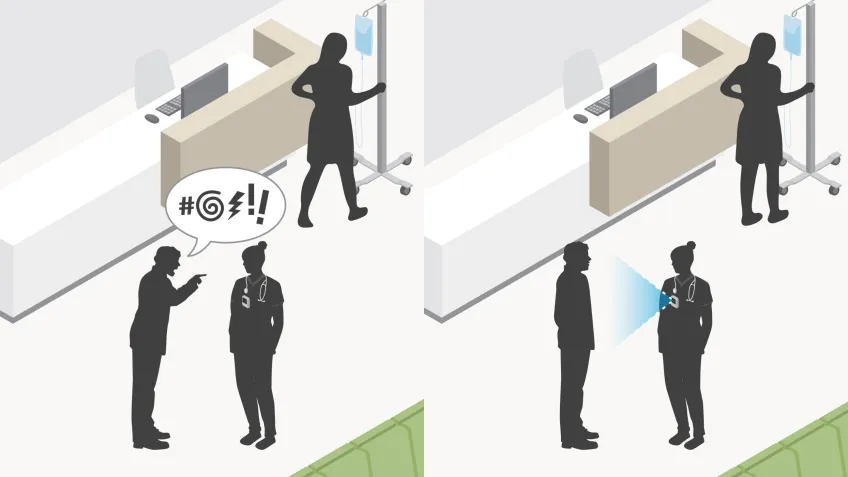
The presence of a body cam as part of a retail or emergency medical technicians' uniform can serve to calm situations and deescalate tensions. Especially when individuals are alerted to it before anything happens.
This allows for interactions to be carried out, safe in the knowledge that should a situation escalate it will be recorded and used as possible evidence.
Evidence
We highlighted previously the evidence gathering capabilities of body worn cameras. This is especially beneficial in industries and environments where small details may be missed, or situations need to be revisited and reviewed.
For instance, police body worn cameras, or those used in correctional facilities have become an essential tool for helping to gather evidence later used in legal proceedings. As this evidence is gathered via an objective device, it stands a greater chance of being used in courts.
This extends beyond correctional facilities or law enforcement and into other industries, where evidence gathered can be passed onto police, ensuring a quick and fair outcome.
Liability
Body worn cameras are a useful tool in avoiding liability in the event something happens. One example could be industries in which goods or money are exchanged, for instance in hospitality or retail. Having a device that can keep track of exchanges is invaluable.
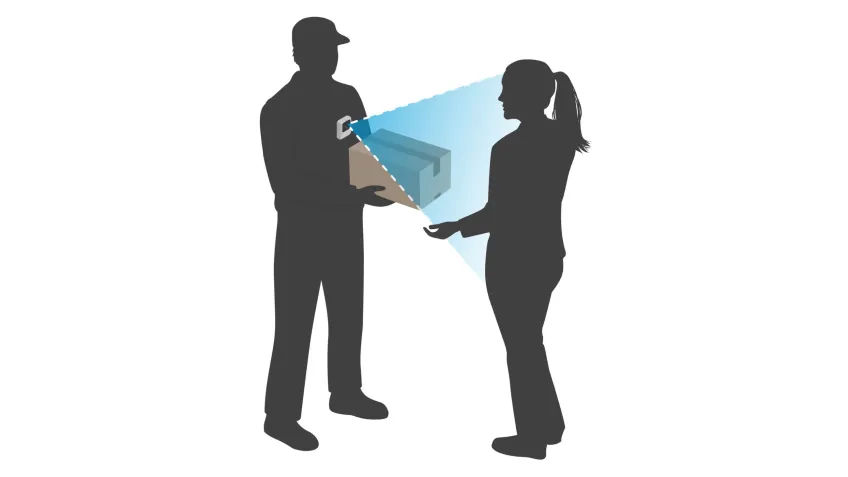
A body worn camera can go a long way to maintain customer and public satisfaction, when knowing that all transactions are monitored and accounted for.
Transparency
The benefits of body cameras in providing transparency are immeasurable. When both wearers and the public know that a body cam is active, it sets the tone that the interaction will be professional and responsibly managed.
It can also provide reassurance that, should anything happen or go wrong, the footage captured can ensure situations can be resolved quickly, fairly, and accurately for all parties involved.
Training purposes
One way in which body worn cameras may be overlooked is their usefulness as a tool in training. Their ability to capture high-quality audio and video offers insights into daily interactions in customer-facing jobs, such as public transport or hospitality.
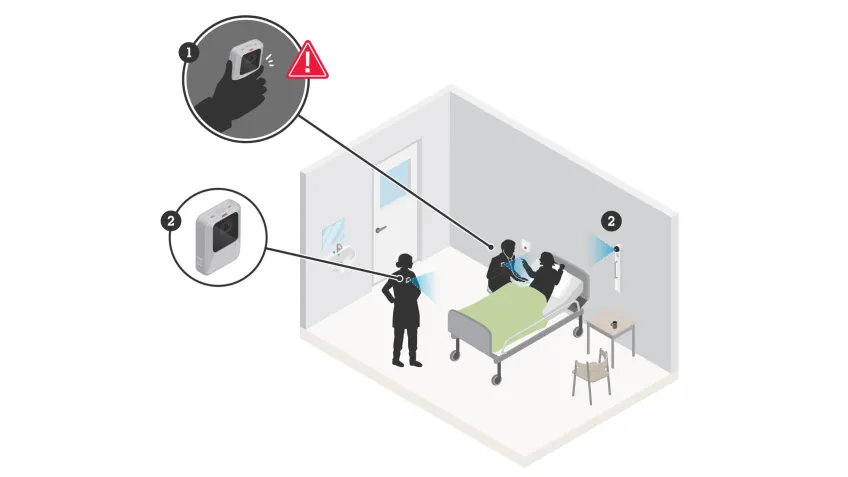
These insights can then be used to develop or adjust staff training programs and maintain best practices. As body cams are often discreet, it allows interactions to be more natural and provide unique value.
Body worn cameras in action
The Auburn Police Department (APD) recognized the importance of enhancing transparency, accountability, and evidence collection in their daily operations. To achieve these goals, they turned to Axis body worn cameras, a choice motivated by the desire to strengthen community trust and improve operational efficiency.
APD selected Axis body worn cameras for their exceptional video quality, reliability, and user-friendly design. Features such as wide-angle lenses and advanced night vision capabilities played a key role in their decision.

Since implementing these cameras, APD has seen a notable improvement in their operations. Officer accountability has increased, leading to fewer complaints and incidents involving the use of force.
The high-definition video footage has streamlined evidence gathering, making investigations and court proceedings more efficient.
Furthermore, the adoption of body worn cameras has fostered a stronger sense of trust between APD and the community they serve.
The department's commitment to transparency and accountability has been well-received by the public, enhancing community relations, and promoting a collaborative approach to public safety.
The Axis body worn cameras provide great support for our officers. They not only improve their safety on the street, but also back up their incident reports with indisputable forensic evidence.
- Lt. Chip Chabot, Auburn New Hampshire Police Department
Conclusion
Over the course of this blog, we have gone into depth about what body worn cameras are, how they work, and provided examples of pros and cons of body worn cameras, as well as a host of real-life use cases.

The benefits of body worn cameras are invaluable to those who use them. From the opportunities for training and improving best practices, to the added safety and support it offers wearers and the wider public.
By implementing the best set up for your industry, you too can maximize the benefits of body worn cameras and ensure a safer environment for all.
