

Mining is entering a new era of digital transformation and data-driven operations. Operators face growing pressure to improve productivity, reduce downtime, enhance worker safety, and meet stricter environmental and regulatory requirements, all while managing rising costs and volatile commodity markets.
Artificial intelligence is rapidly becoming central to this evolution. In fact, the global AI in mining market is projected to reach $685.61 billion by 2033, reflecting the growing role intelligent systems will play in future mining operations.
Mining sites remain complex environments, often vast, remote, and operating continuously. Traditionally, video surveillance has been used for security and incident investigation. Today, modern network cameras also collect data from across mining sites. Combined with AI-powered analytics, these insights supports safety, compliance, efficiency, and sustainability.
The industry is also moving from reactive to a more proactive approach to operations. By identifying risks, inefficiencies, and equipment issues before they disrupt production, mining analytics helps operators make faster, more informed decisions.
Understanding the basics of AI and analytics in the mining industry
AI-powered mining analytics refers to intelligent systems collecting, processing, and analyzing operational data from mining environments and transforming this into actionable insights. Cameras equipped with analytics act as intelligent sensors that continuously capture and interpret multiple forms of data. This can include visual data about worker movements and processes, as well as environmental information collected through sensors that monitor factors such as air quality and gas levels.
AI-powered systems apply intelligence to this data, for example, identifying whether workers are entering high-risk zones, recognizing smoke in unmanned areas, or detecting signs of equipment overheating before a failure occurs.
Importantly, this data can be processed directly on edge devices or on-premise servers, allowing for immediate response to critical events. More advanced analytics are typically processed through platforms such as video management systems (VMS), SCADA systems, or centralized operational databases. Where exactly the data is processed depends on the use case. For example, analysis to determine whether workers are wearing protective equipment can be done on the device itself.
Overall, metadata and events collected from cameras and sensors can be combined with other information to support trend identification over time and inform future planning. This layered approach enables mining organizations to benefit from both immediate operational responses and long-term analytical insights. As these systems become increasingly interconnected, they also contribute to wider digital transformation initiatives within mining. This includes everything from digital twin modelling to autonomous systems, and even more advanced automation strategies.
3 key benefits of AI-powered mining analytics
The use of analytics enables operators to move beyond simply seeing what is happening to understanding why it is happening, predicting what may happen next, and acting before disruptions occur. There are a number of benefits, but the main three relate to improvements in efficiencies, maintaining business continuity and sharpening decision-making.
Enhance operational efficiency and productivity
Mining operations involve countless interconnected processes, from extraction and hauling to mineral processing and transportation. Even relatively small inefficiencies can create bottlenecks that affect productivity across the entire site. AI-powered analytics helps operators identify these inefficiencies earlier and more accurately than traditional in-person monitoring.
The benefit is that operators can use analytics systems to continuously review factors such as vehicle movement and equipment usage to highlight congestion or inconsistencies in operational processes. By using these insights, they can make changes to improve processes and remove points of failure.
For example, cameras monitoring conveyor systems may reveal recurring production slowdowns caused by material buildup or irregular equipment behavior. Thinking of vehicles on the site, fleet movement analytics can identify inefficient routing patterns or coordination issues between vehicles and loading zones. This level of visibility supports smoother workflows by improving coordination between teams and encouraging more efficient use of equipment.
Reduce unplanned downtime
Unplanned downtime remains one of the costliest challenges in mining. A single equipment failure can halt production and trigger significant losses. Predictive maintenance strategies supported by AI-powered analytics help reduce this risk.
Thermal cameras can continuously monitor critical assets such as motors, transformers, and processing equipment for abnormal temperature increases. AI-powered video analytics can detect unusual movement, sparks, vibration patterns, or signs of wear that may indicate developing issues. Rather than relying solely on fixed maintenance schedules, operators can use insights from data analysis to identify patterns over time and intervene before failures occur.
Improve data-driven decision-making
Mining operations generate enormous amounts of operational data every day. However, the challenge lies in turning this into meaningful insights that support faster and better decision-making. This is where AI-powered mining analytics can help bridge the gap quickly and intelligently, in the short and long term.
For example, if an incident or hazard is detected, real-time alerts allow operators to understand what is occurring to ensure more effective intervention. Analytics systems can also provide visual context alongside automated alerts, allowing operators to verify incidents and coordinate a plan of action across the site.
Over time, the data collected through these systems becomes increasingly valuable. Information originally captured for immediate operational response can later support broader optimization and training initiatives, helping organizations refine planning and strengthen overall resilience.
Key use cases of AI-powered analytics in mining
Mining operators are using AI-powered analytics to help them move beyond reactive monitoring toward proactive and predictive operations. By turning visual and thermal data into actionable insights, analytics can help improve efficiencies, reduce downtime, strengthen safety, and support better decision-making across the mine.
Avoid overheating equipment
Mining equipment often operates continuously under extreme conditions, and overheating is a common precursor to equipment failure. Thermal network cameras can continuously monitor the surface temperatures of assets such as conveyor belts, motors and transformers, detecting abnormal heat signatures long before it becomes apparent to operators.
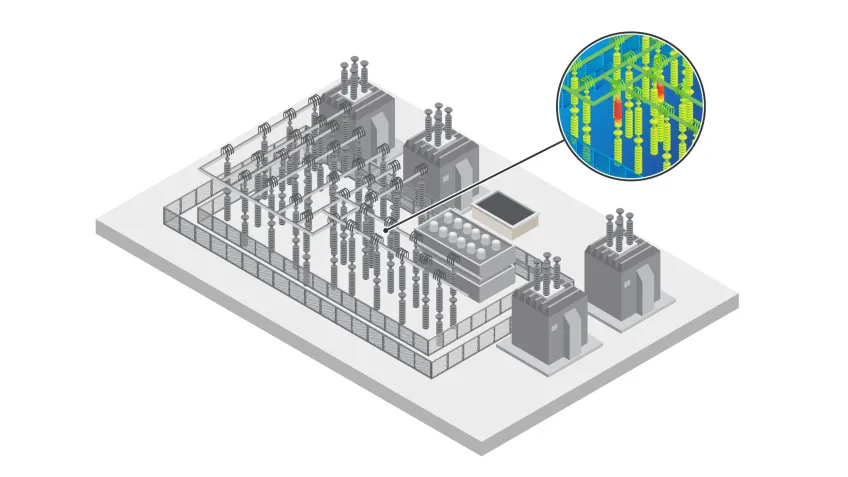
Identifying temperature changes early means that maintenance teams can investigate potential issues before they lead to equipment damage or even fires. Rather than relying solely on routine inspections, operators gain continuous visibility into equipment health, allowing maintenance activities to be prioritized based on actual operating conditions.
Predict equipment failures before they happen
Predictive maintenance is one of the most valuable applications of mining analytics. Instead of waiting for equipment to fail, AI-powered systems analyze different types of data (including visual and thermal) over time to identify patterns that indicate developing faults.
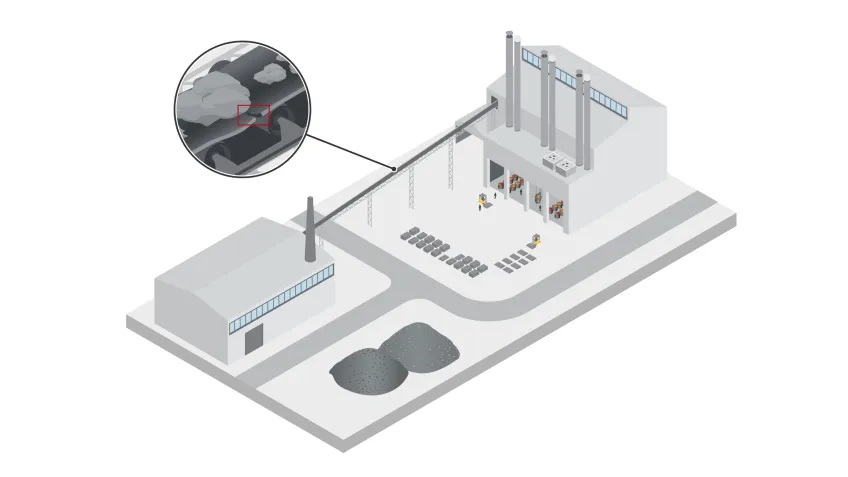
For example, recurring hotspots, excessive vibration, unusual movement, or abnormal wear can signal that a component is approaching failure. These insights allow maintenance teams to schedule repairs ahead of the curve, reducing costly breakdowns while extending the lifespan of critical assets. As more operational data is collected, analytics become better at recognizing the conditions that typically precede equipment failures.
Make well-informed decisions
Mining operations generate large volumes of operational data every day. AI-powered analytics helps transform this information into meaningful insights that support faster and more informed decision-making.
Different insights support different situations. Real-time alerts enable operators to respond quickly to developing incidents, while visual verification provides valuable context that helps determine the most appropriate course of action. Metadata generated by video analytics can be displayed as overlays and scene annotations directly on the live camera view. This makes it easier for operators to understand what is happening across the site.
Over time, this combination of real-time intelligence and historical analysis of data helps organizations identify trends in activity and improve outcomes.
Detect anomalies in the production
Mining processes are often highly repetitive, so using AI-powered analytics to spot anomalies tends to be very effective. By continuously monitoring production areas, analytics can detect irregular equipment behavior or deviations from normal operating conditions that may otherwise go unnoticed before it’s too late.
These anomalies can indicate developing equipment issues or even previously unknown risks that require investigation. Early detection allows operators to intervene before minor issues develop into larger production disruptions, improving operational continuity and supporting more consistent production outcomes.
Identify bottlenecks and inefficient production processes
Maintaining efficient production depends on understanding how people, equipment, and materials move throughout the mining operation. AI-powered analytics provides continuous visibility into these workflows, helping operators identify congestion, delays, and underutilized assets.
For example, analytics can highlight queues forming around loading points or slow-moving conveyor systems that have an overall impact on productivity. By identifying where delays occur, operators can optimize workflows and increase throughput across the site.
Keep restricted areas clear
Heavy machinery, blasting zones, and other hazardous areas present significant safety risks if accessed without authorization. If personnel enter restricted zones, this can slow or even shut down operations. AI-powered analytics can continuously monitor these locations, detecting when personnel or vehicles enter restricted zones and triggering real-time alerts.
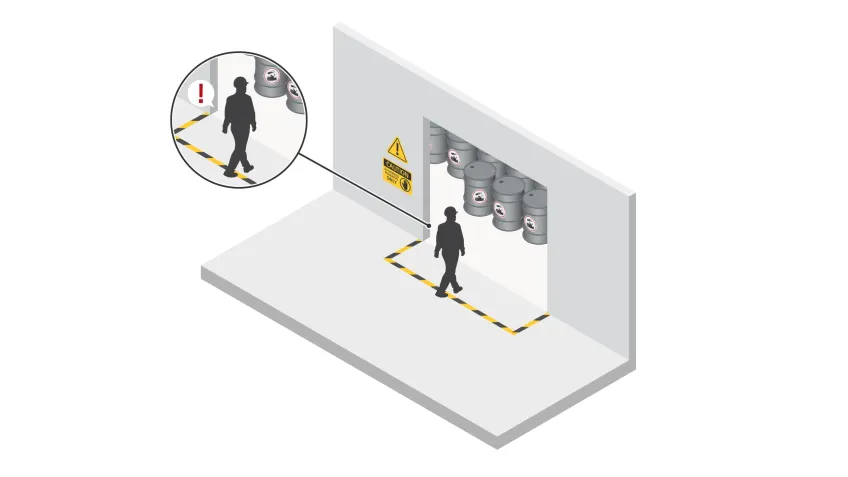
When integrated with connected devices such as IP speakers, strobe lights, or access control systems, cameras can automatically warn workers before they enter dangerous areas or notify operators to take appropriate action. This proactive approach not only helps reduce the likelihood of accidents, but contributes to improved productivity and uptime.
Detect early signs of fire
Fire is one of the most serious risks facing mining operations, particularly around conveyor systems, processing equipment, electrical infrastructure, and fuel storage areas. Left unchecked, fires can cause extensive damage to mines and spread quickly to surrounding areas. AI-powered analytics enables earlier detection by identifying smoke, heat, or abnormal temperature increases before a fire becomes established.
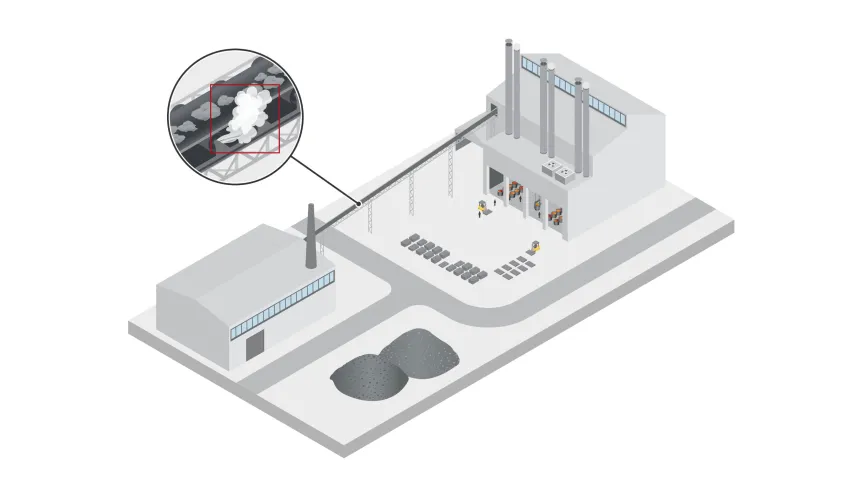
Thermal cameras can continue monitoring even in challenging lighting conditions, while smoke detection analytics provide early warning when conventional fire detection systems may be less effective. Earlier detection enables faster intervention, helping minimize equipment damage, reduce production interruptions, and improve worker safety.
Challenges of implementing AI-powered analytics in mining
While the benefits of mining analytics are significant, implementation can be tricky for a number of reasons. However, these challenges are addressed using a forward-thinking approach which prioritizes the following factors:
Address the cost of initial investment
Deploying advanced analytics systems often requires substantial upfront investment in technology including supporting infrastructure, devices, connectivity, and integration. However, evaluating total cost of ownership is essential. Long-term gains from reduced downtime, improved efficiency, enhanced safety, and lower operational risk can often outweigh initial deployment costs.
Build a skilled workforce for an AI-driven future
As mining operations become digitalized, organizations need personnel capable of interpreting analytics and acting on insights effectively. Skills gaps can limit the value of deployed systems, particularly where employees lack experience with AI technologies or data analysis tools. In some cases, resistance to changing long-established workflows may also slow adoption. Staff training and thoughtful recruitment therefore become critical components of successful implementation.
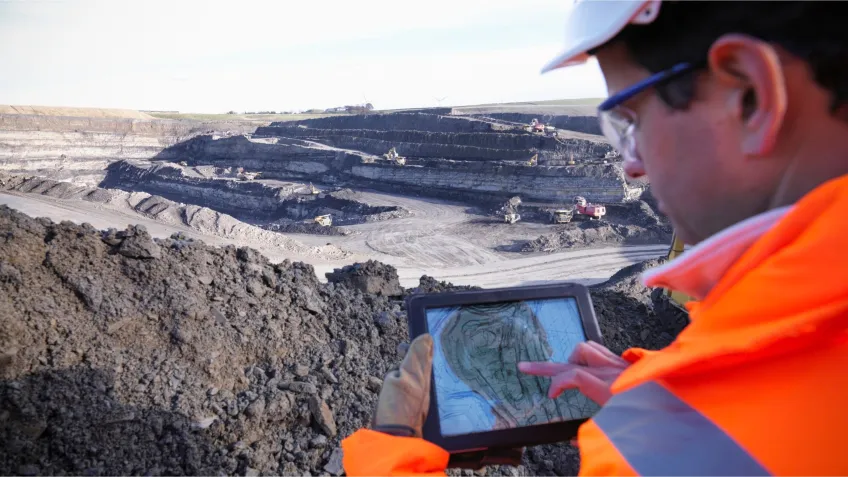
Invest in technology that withstands harsh environments
Mining environments present extreme operating conditions including dust, vibration, moisture, low visibility, and temperature fluctuations. Devices deployed in these environments must be robust and capable of reliably operating under challenging conditions. Otherwise, any initial costs savings would be offset by the need to fix or replace equipment. Remote monitoring capabilities are also increasingly important for improving both operational efficiency and worker safety. But this is only made possible if the on-site technology is robust.
Ensure data security and cybersecurity
Connected operations also increase the attack surface area, making cybersecurity even more of a priority. A successful cyberattack could shut or slow down activity, resulting in financial and reputational losses. As a result, organizations must protect operational data, control who has system access, and ensure the integrity of connected devices and networks. Strong cybersecurity frameworks and secure hardware, combined with clear data governance policies and educated staff are essential for supporting operations and defending against attacks.
Enable integration through open platforms
Although mining organizations continue to digitally transform, most operate with a combination of legacy systems and newer digital technologies. The approach of ‘ripping and replacing’ is costly and time-consuming, so the focus must be on integrating systems as business needs grow.
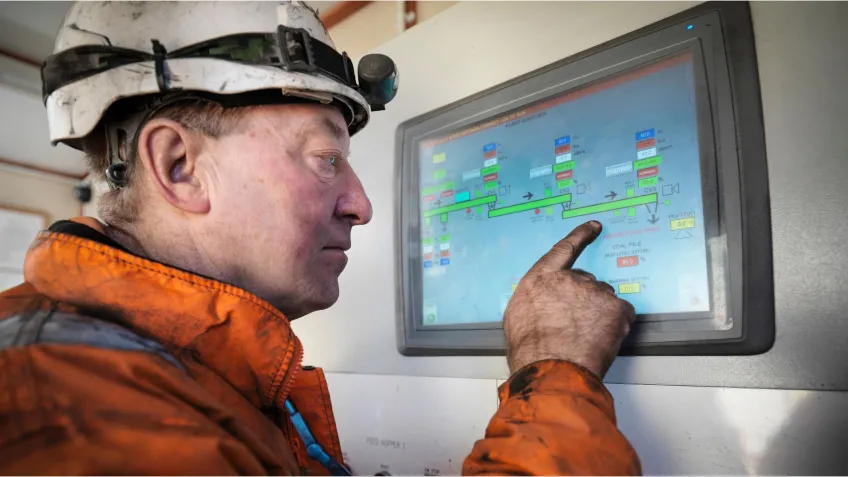
Open platforms and interoperable systems help simplify integration between IT and operational technology (OT) environments, allowing organizations to build analytics capabilities without completely replacing existing infrastructure. This flexibility is critical for supporting long-term scalability and adapting to evolving operational requirements.
Conclusion: Enabling smarter, safer, and more efficient mining operations
Successful mining operations depend on safety, operational continuity, and efficient asset management. AI-powered analytics supports all three by transforming operational data into actionable insights that help organizations move from reactive monitoring toward proactive decision-making.
As mining continues evolving toward greater automation and autonomy, video analytics will play an increasingly central role in enabling smarter operations, predictive maintenance strategies, and more resilient production environments. Ultimately, the future of mining will depend on how intelligently data is used, helping operators build safer, more efficient, and adaptive mining operations.
