

Mining is widely considered one of the oldest industries, with evidence that the first mine, Ngwenya Mine, opened over 40,000 years ago. But today, the industry is evolving at speed. This has been in response to a rising demand for critical minerals, as different sectors invest in electric vehicles, battery storage, and digital infrastructure. As a result, mining companies are under pressure to transform.
Like many industries, technology is becoming a major part of that shift. Operators are finding new ways to improve efficiency and make better decisions. They use tools that range from automation and AI to remote monitoring and data analytics.
The mining industry is facing growing operational, environmental, and security challenges. This blog explores seven key trends shaping the future of mining and how technology is helping companies respond.
1. The shift to sustainable and green mining
Although the mining industry is responsible for an estimated 8% of global carbon emissions, it is faced with a goal of achieving net zero by 2050. This has made sustainability a core part of modern mining operations. Investors, regulators, and local communities increasingly expect mining companies to operate more responsibly and prioritize activities which positively impact Environmental, Societal and Governance (ESG) metrics.
These are used to measure a company's performance beyond just financial results and cover three broad, yet key areas. Environmental factors include things like water use and emissions, while social metrics track the impact on communities and workers. Finally, governance refers to how the company is managed and its business ethics.
Optimize production while reducing environmental impact
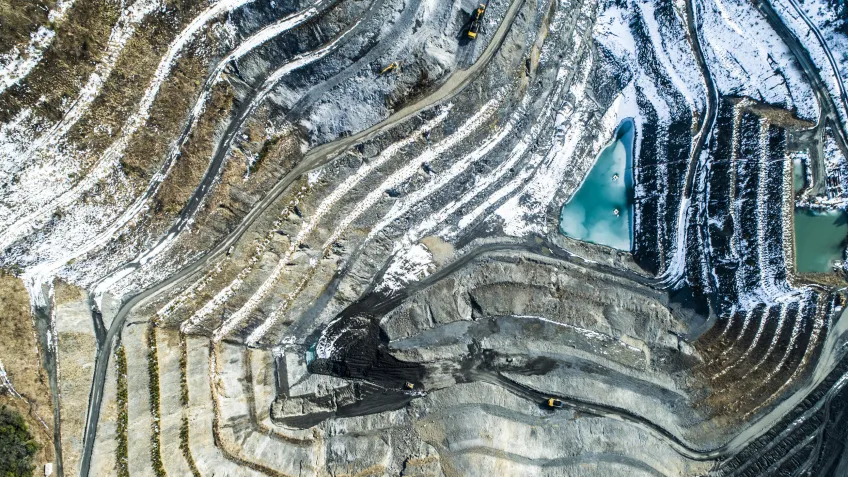
Mining companies are looking for practical ways to lower fuel use and reduce waste without slowing production. Mines operate 24/7, meaning that large-scale changes are rarely realistic. Instead, incremental changes can make an outsized difference over time. For example, haul routes can be revised so that fuel consumption is reduced.
From an optimization perspective, operators closely monitor equipment to allow early detection of inefficiencies. This can also help identify leaks, overheating equipment, or abnormal conditions before they become larger environmental problems.
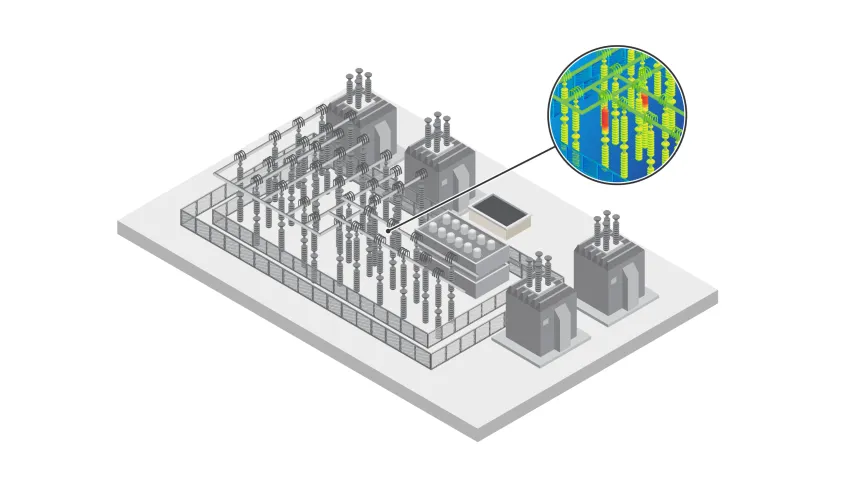
Technology plays a big role in improving visibility so that operators can act quickly if a problem occurs. Remote monitoring systems and connected IoT sensors, for example, provide operators with the right data and real-time awareness. This allows them to make informed decisions based on up-to-date information that can lead to better outcomes.
Increase transparency and document operations
Sustainability reporting is also becoming more important for the future of mining companies. They are expected to clearly show how they are meeting their environmental and ESG commitments. This transparency helps to avoid potential fines or claims of "greenwashing”, which can have a reputational impact.
This is where visibility over operations can make a difference. Monitoring systems help companies document carbon emissions, water usage, and operational performance more accurately. This supports wider sustainability reporting requirements and regulation compliance.
Capturing this data also helps track and prove progress against metrics and demonstrate efforts. In some cases, visual monitoring tools such as network cameras can even support investigations after incidents or equipment failures occur.
For many operators, sustainable mining is shifting focus. It's becoming less about large-scale transformation projects. Instead, the emphasis is on improving accountability and decision-making across existing operations.
2. A growing focus on the circular economy
Mining companies are also paying closer attention to the circular economy. Instead of focusing only on extracting new materials, many operators are exploring ways to create value from waste. A key example of this is finding ways to recover valuable materials from tailings after excavation.
In fact, Vale, a global mining company recently announced a new tailings reprocessing plant at the decommissioned Gongo Soco mine in Brazil.
Enable more efficient operations and resource use
Reprocessing of mine tailings and waste rock to recover residual minerals is made possible by advances in processing technology. Recycling existing metals is also becoming more important as global demand for ethical sources of minerals grows. Recovering materials from secondary sources can help reduce pressure on the future of mining projects, while supporting long-term resource stewardship.
The benefits don’t stop there. Better process visibility allows operators to monitor material flows more accurately, improving quality control and reducing losses during production. Cameras equipped with AI analytics can also help identify and separate valuable materials more efficiently.
3. Automation and AI transforming operations
Mining automation is already changing how many sites operate. Autonomous trucks, automated drilling rigs, and AI-supported systems (such as AI-based proximity sensors) are making a significant impact. These mining technologies help companies improve performance consistency, reduce downtime, and lower overall risk.
Replace human senses with intelligent sensors
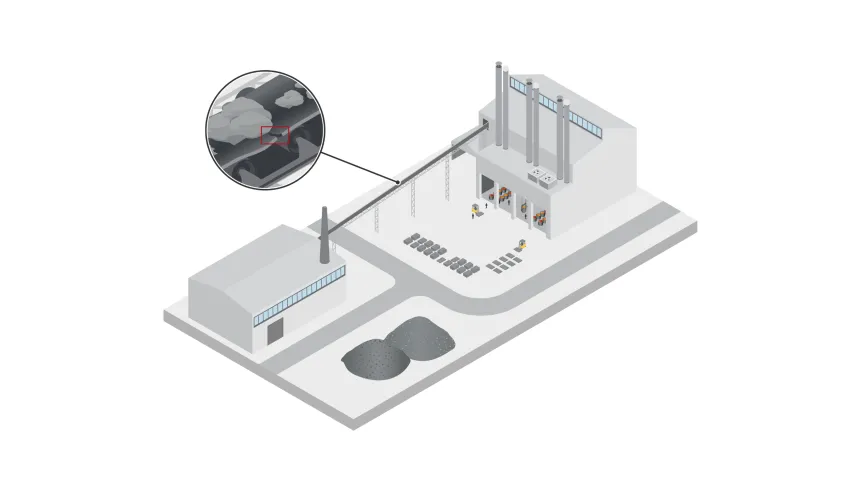
Modern mines rely heavily on intelligent sensors to monitor operations in real time. These systems are designed to detect unusual conditions, such as movement, heat, vibration, or smoke. They can also identify equipment anomalies much faster than manual inspections alone.
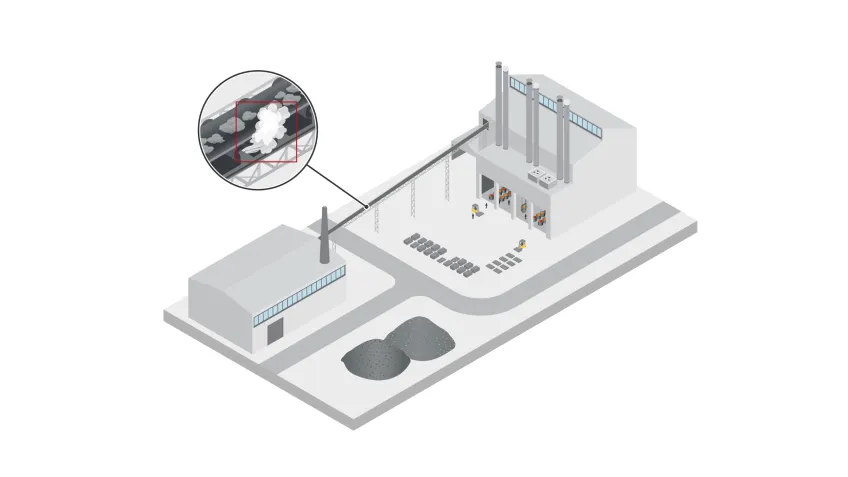
In remote or hazardous environments, connected cameras (e.g. visual and thermal) and radar devices are becoming an important source of operational visibility. They help operators monitor areas continuously, even when fewer personnel are physically present on-site.
For fully autonomous machinery, intelligent sensors make it possible to perform activity independent of a human operator. Typically, a combination of sensors including cameras, radar, LiDAR, and GPS, enable these vehicles to perceive and react to their surroundings, reducing human exposure to hazardous environments and improving overall safety.
Operate equipment remotely from integrated control centers
Remote operations centers are becoming more common, especially across large mining extractions. These centers allow teams in centralized locations to manage equipment, monitor production, and coordinate activities.
This ‘one to many’ approach can reduce the number of workers required in high-risk environments while improving operations across multiple sites in real time. The use of automated solutions to trigger alerts once abnormal activity is detected also supports workers, by allowing them to focus on valuable activity and coordinate responses as needed.
Autonomous equipment supports by enabling a ‘connected operations’ approach, where employees, devices and systems work together to deliver better outcomes.
Use AI to predict equipment failure and maintenance needs
Artificial intelligence is being used alongside historical maintenance logs to build predictive maintenance models in the mining industry. Instead of waiting for equipment to fail, operators can continuously collect visual data over time and then apply AI-powered analytics to determine early signs of wear or performance issues. This approach allows for proactive repair and helps reduce unplanned downtime and extend equipment lifespan, while lowering the risk of mechanical failure during operation.
4. Data and analytics for precision mining
As operations become more connected and digitalized, they generate a vast amount of data. Mining analytics enables operators to uncover key insights to inform decisions that ultimately improve performance across the entire site.
Use data to drive performance and planning
To fully optimize a modern mine, you first need to integrate Internet of Things (IoT) sensors across all critical assets. These intelligent sensors are embedded in vehicles, processing equipment, conveyor systems, and environmental monitoring infrastructure. This creates continuous streams of operational data from the entire value chain.
This real-time data is analyzed to optimize performance, which has traditionally been measured over longer periods. However, new advances in analytics allow operators to shorten assessment timelines and make decisions faster. For example, they can identify an underperforming piece of equipment or a process bottleneck as it happens.
Predictive analytics tools take this a step further by using the same data to forecast future needs. This helps operators anticipate maintenance requirements. It also allows them to improve production schedules and enhance overall site planning.
Create a digital twin of the entire mine site
As mines become more connected, operators are building digital twins of their operations. A digital twin is a virtual model of a physical site that combines operational, environmental, and equipment data into one system.
These platforms may eventually allow operators to simulate operational changes to see outcomes before implementing them in the real world. Visual data from cameras and connected sensors can contribute to these future systems by providing additional context across production areas.
Optimize mineral exploration and resource modeling
AI is also supporting mineral exploration and resource planning. By analyzing geological and operational data together, companies can identify important patterns in advance. These help improve exploration accuracy and allow them to optimize their extraction strategies.
5. Improving safety with technology
Mining safety remains one of the industry’s biggest priorities. The International Council on Mining and Metals (ICMM) reported 42 fatalities across its 24 member companies in 2024. Due to the hazardous nature of the industry, new technology is being implemented to help reduce risk.
Prevent accidents by mitigating risks
Accidents are unfortunately quite common on mining sites. Of the 42 fatalities mentioned above, nine were due to vehicles and machinery. Five were incidences of what are known as ‘fall of ground’.
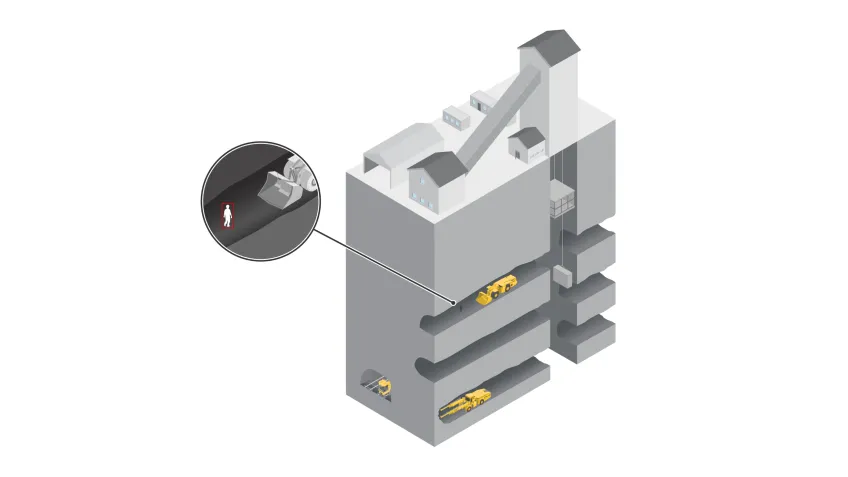
Collision avoidance systems can alert operators if vehicles, machinery, or personnel move too close together. Drones and robot inspection tools also help operators assess high-risk areas without exposing workers to these conditions.
Respond quickly to incidents and accidents
Connected monitoring systems can help operators respond faster when incidents occur. Real-time alerts allow teams to identify unsafe conditions earlier and coordinate responses more effectively. This matters even more on large or remote mining operations, where faster communication can mean the difference between life and death during emergencies.
Improve safety protocols long term
It’s not enough to respond to incidents in the short term, and operators can use data collected from connected systems to improve long-term safety performance. By reviewing incidents, near misses, and equipment data, companies can identify recurring risks and strengthen site safety procedures over time.
6. Building the workforce of the future
Automation, AI, robotics, emerging technologies such as humanoids and connected operations are changing the skills required across the industry. This will inevitably impact the makeup of the workforce.
Provide real-time visual data for data-driven decisions
As mining teams rely on live operational data and visual feeds to provide context and guide decisions, this type of information is becoming more important. Connected cameras can help operators monitor equipment, manage production, and respond faster to operational issues. This shift is creating greater demand for workers with analytical and digital skills.
Record real operations for improved training
Connected technologies are also changing how training is delivered. Video recordings from devices such as visual and body worn cameras, for example, can be used to review incidents to help improve existing procedures. This same footage can also support broader workforce development goals.
Remote operations may also help mining companies expand the available talent pool by allowing some roles to be managed from urban environments, instead of on-site.
However, even as technology changes operations, on-site knowledge still plays an important role in interpreting information within the right context and making practical decisions.
7. The multifaceted security threats in the mining sector
As mining operations become more connected, mining security naturally becomes more complex. Modern sites must manage both physical and cybersecurity risks. This is essential to protect workers, infrastructure, assets, and other valuable resources.
Mitigate cybersecurity risks to protect digital assets
Connected mining systems create new cybersecurity challenges. Autonomous equipment, remote operations centers, and connected sensors all increase the number of systems that could potentially be targeted by bad actors. Cyberattacks can disrupt production and compromise sensitive operational data, potentially leading to financial and regulatory losses through penalties.
Combat illegal mining and resource theft with technology
Illegal mining and theft remain ongoing concerns in many regions.
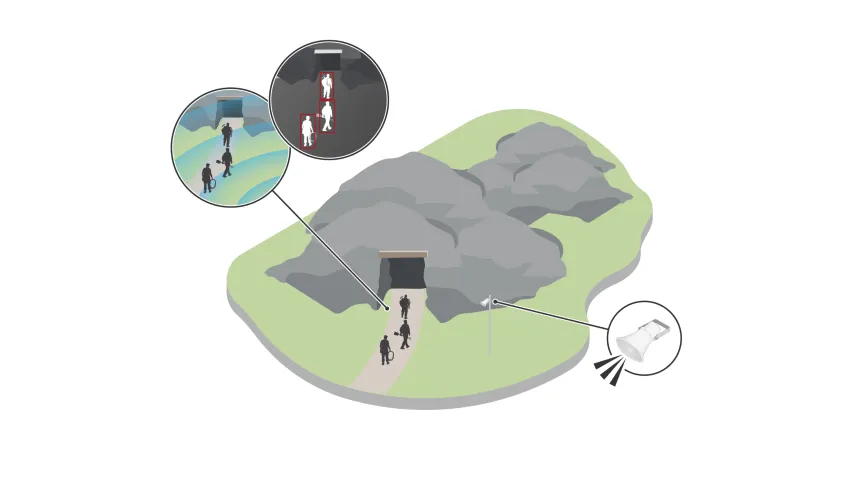
The large size and changing perimeters of sites can make it difficult to monitor effectively. It can be especially challenging to track the movement of vehicles or personnel on and off the site. Connected monitoring systems can help operators improve asset protection. They do this by enabling the early identification of any unauthorized activity.
Deploy surveillance and sensor technology to monitor sites
Many mining companies are investing in integrated security systems that combine AI-powered cameras, audio solutions (such as horn speakers), and analytics. These systems provide operators with the ability to monitor site activity, detect unusual activity, and respond more quickly to potential threats.
As mining operations continue to digitize, secure and reliable infrastructure will become increasingly important across every part of the operation.
Conclusion
The future of mining will be shaped by several key factors. These include a renewed focus on sustainability goals, increased automation, improved site visibility, security (physical and digital) and workforce transformation. Many of the technologies driving these mining industry trends already exist.
The main challenge for operators is to integrate these technologies in a way that supports their overall business goals. This typically involves making improvements to production efficiency and creating safer operations. It also means enabling better long-term decision-making.
For mining companies, success will depend on building connected operations. This means allowing people, processes, and data to work together more effectively. Those that can adapt to changing operational and environmental demands will be better positioned for the future.
