

For law enforcement, the ability to observe what is happening, orient to the context, decide on the appropriate response, and act quickly can improve how rapidly an incident is identified, how effectively resources are deployed, and how successfully the situation is contained
But with so much digital information to process and understand, how can agencies break it down to find the important information they need?
This is the challenge that real-time crime centers, or RTCCs, are designed to solve. By taking data, RTCCs are transforming modern policing by turning it into a clear, unified picture for officers on the ground.
This blog explains what an RTCC is, how it works, the powerful benefits it delivers, and how agencies can navigate the challenges of implementation.
What is a real-time crime center (RTCC)?
Real-time crime centers (also referred to as real-time intelligence centers or public safety crime centers) act as a nerve center for a police department. They provide a comprehensive, live view of what’s happening across a city or jurisdiction.
These centralized law enforcement command hubs are where personnel collect, analyze, and act upon a wide range of data sources in real time. These data sources often include:
- Public safety cameras: Live video feeds from fixed, PTZ, and multi-sensor cameras.
- Geographic Information Systems (GIS): Layered maps showing crime hot spots and infrastructure.
- Computer-Aided Dispatch (CAD): Incoming 911 calls, incident types, and dispatch statuses
- Traffic management systems: Data from traffic sensors, signals, and smart intersections.
- Records Management Systems (RMS): Historical crime data, warrants, and suspect information.
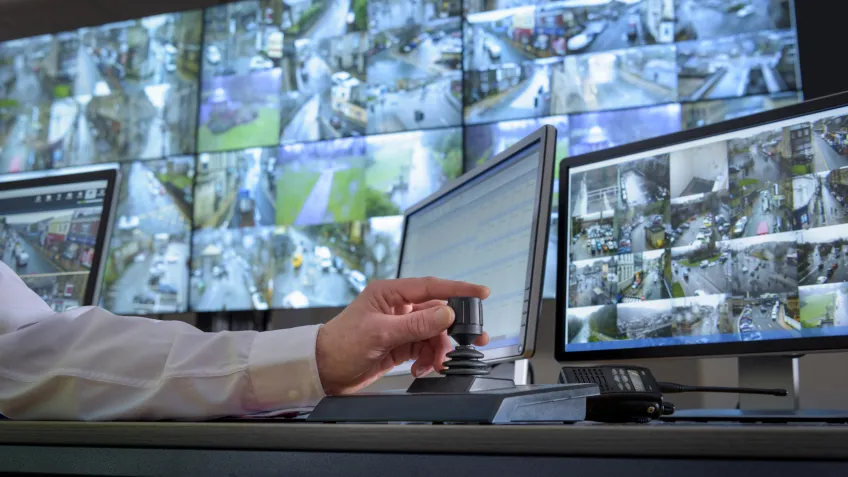
We’ll look at more of these data sources in detail further on, but these and other data sources allow RTCC’s to improve situational awareness for officers in the field, providing them with as much information as can be gathered before attending a scene. Officers can receive live intelligence from RTCC analysts, helping them understand the environment they are entering and the risks involved.
The core functions of a real time crime center
An RTCC is an active environment where skilled analysts perform several critical functions to support field operations and investigations.
When an incident occurs, RTCC personnel can instantly pull up relevant camera angles, identify potential suspects or vehicles, and relay that information directly to responding officers.
This real-time intelligence gathering helps ensure that police are equipped with the foresight to manage situations proactively.
Key technologies that power RTCCs
The effectiveness of an RTCC depends on the seamless integration of several key technologies. Each source provides a different layer of information, and when combined, they create a powerful tool for public safety. Here are some more of those data sources, and the technologies that make them work:
Employ people with the right skills
The most important part of any Real-Time Crime Center is the people who operate them. Having the right individuals, roles, skills, and leadership to turn raw information into decisive action.

A successful RTCC requires selecting personnel with strong analytical judgment and relevant operational experience. It is critical that staff must be trained to accurately interpret data, validate alerts, and effectively support personnel in the field.
Ultimately, the goal is to build a culture of trust and collaboration that extends from RTCC analysts to dispatchers, investigators, command staff, and patrol officers. This is achieved through strong leadership, clear policies, and sustainable staffing models that foster accountability and continuous improvement.
Integrate video streams and analytics
Video is the cornerstone of most RTCCs. These centers pull feeds from a network of cameras, including security cameras, traffic cameras, and sometimes privately-owned cameras that are part of a community partnership program, such as Connect Atlanta.
Modern systems are capable of incorporating video analytics to automatically detect specific events, objects, or behaviors. For example, analytics can allow for specific searches, such as looking for a blue car, a person in a red shirt, or when a crowd forms in a restricted area. This allows RTCC staff to focus their attention where it's needed most.
Utilize automatic license plate readers (ALPRs)
Automatic license plate recognition systems use specialized cameras and optical character recognition to capture license plates and convert the plate characters into searchable text. Each read typically includes an image of the plate and vehicle, the recognized plate number, and associated metadata such as the date, time, and location.
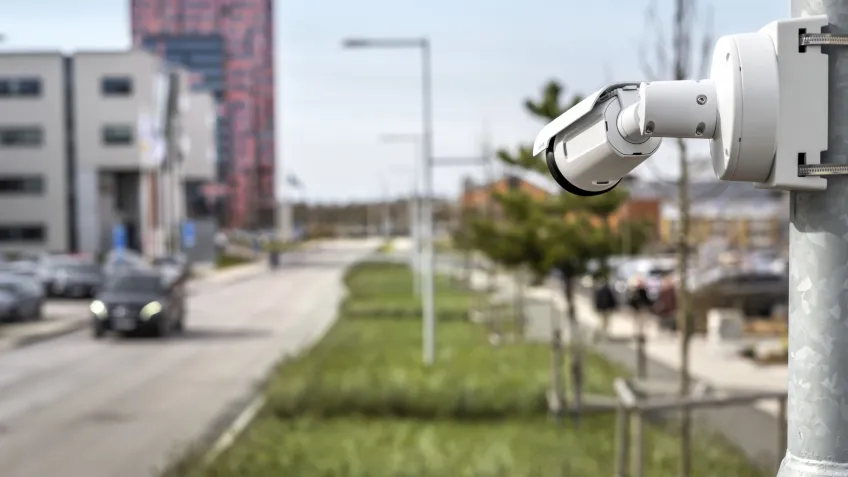
If a vehicle is involved in a crime, analysts can search the ALPR database to trace its movements before and after the incident to identify suspects and establish timelines. They are also invaluable for locating stolen vehicles or vehicles associated with AMBER Alerts, providing immediate, actionable leads.
Integrate drones as first responders
Integrating a Drone as First Responder (DFR) program provides the Real-Time Crime Center (RTCC) with a powerful tool for gaining immediate situational awareness. When a call for service is received, an operator can dispatch a drone to the scene, often arriving well before patrol units.
The live video feed is streamed directly back to the RTCC, giving analysts, dispatchers, and command staff a real-time aerial perspective of the event as it unfolds, enabling a more informed and effective response from the moment the call comes in.
Employ gunshot detection systems
Gunshot detection systems use a network of acoustic sensors to identify and locate the sound of gunfire in a matter of seconds. When a shot is fired in a coverage area, the system triangulates the origin of the sound and sends an immediate alert to the RTCC.
This technology can reduce the time required to identify and respond to suspected gunfire. The alert provides the location, allowing the RTCC to direct officers to the scene while simultaneously pulling up nearby video feeds to search for suspects or victims.
Integrate body worn and in-car cameras
Body worn and police dash cams provide a vital, on-the-ground perspective that complements the fixed-position views of public surveillance cameras. While the primary function of body worn and dash cams is to record interactions for evidence and accountability, their role in a real-time context is growing.
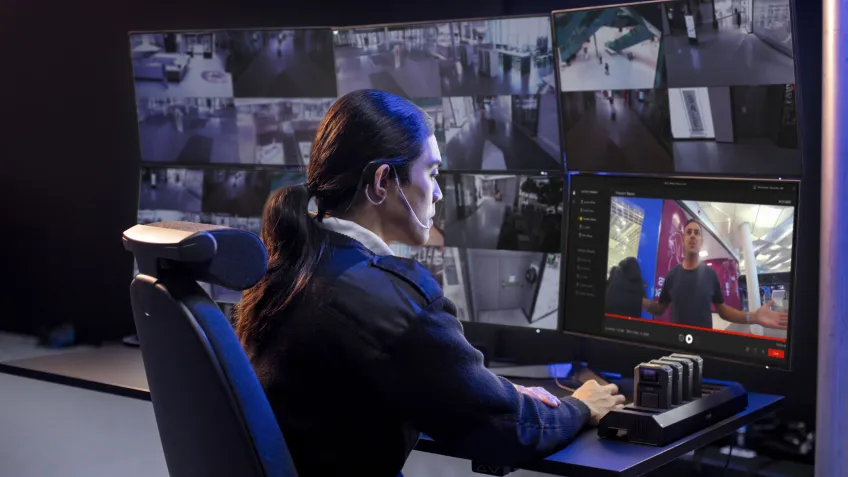
RTCC systems allow analysts to access live video streams from an officer's body worn or in-car camera during a critical incident (subject to agency policy). This allows command staff and dispatchers to view the live video stream. This provides an additional layer of situational awareness, offering a broader perspective of the event as it unfolds.
Enhance IoT and sensors
The role of an RTCC is expanding beyond traditional crime-fighting to become a hub for overall public safety management, thanks in large part to the IoT. IoT and sensors can detect a wide range of events and conditions that impact community well-being.
Sensors can monitor for rising water levels in flood-prone areas, manage public services during large events like parades or sporting events or even manage traffic flow by providing real-time data on congestion. These alerts feed directly into the RTCC, allowing personnel to coordinate multi-agency responses.
As RTCCs mature, they are evolving into broader emergency management and public safety coordination centers, improving community safety and quality of life far beyond traditional policing.
The benefits of implementing a real time crime center
We have already covered several benefits RTCCs can deliver to law enforcement agencies and the communities they protect, such as those of Hartford, Connecticut. These advantages touch every aspect of policing, from daily operations to long-term crime reduction strategies, such as:
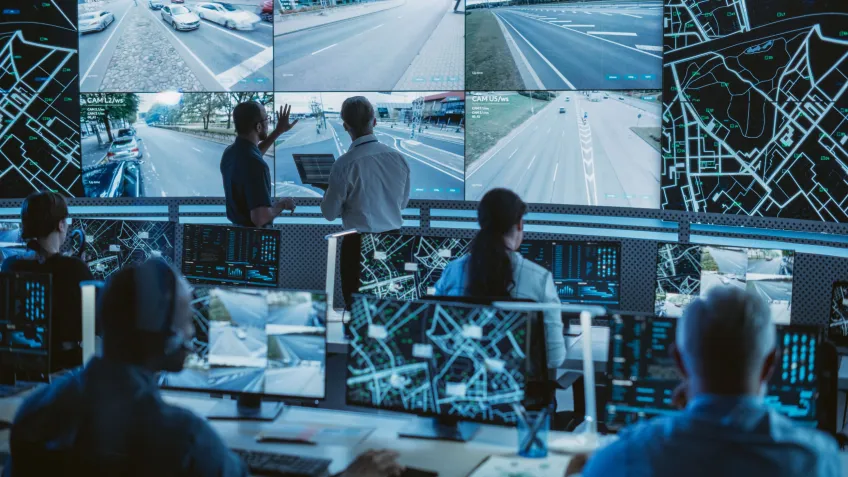
- Improve response times and resource allocation: With real-time information, dispatchers and RTCC analysts can better manage and allocate resources. Knowing the specifics of a situation as it occurs prevents over-or under-responding to calls.
- Increase officer safety: Situational awareness is vital for officer safety. An RTCC provides eyes on the scene, warning officers of hidden dangers, tracking suspect movements, and providing a tactical overview that is impossible to get from the ground.
- Enhance investigative capabilities: The ability to quickly pull historical video, cross-reference license plate data, and confirm incident locations. Accelerating the investigative process and leading to a higher clearance rate for cases.
- Strengthen community and business partnerships: As previously mentioned, RTCCs integrate with cameras owned by local businesses and residents who volunteer to share their feeds. This collaborative approach builds trust and expands the agency’s digital footprint without the cost of installing new cameras everywhere.
- Support for major events and emergencies: The evolving role of RTCCs means they are becoming instrumental in managing large-scale public events and even natural disasters. By monitoring crowd density, traffic flow, and potential hazards, RTCCs help ensure public safety and coordinate emergency responses.
- Faster, safer response with drones: Dispatch drones from the RTCC to provide immediate aerial video of a scene, giving staff critical information to guide responding units and assess the situation safely from a distance.
Challenges and considerations for RTCCs
While the benefits are compelling, implementing an RTCC involves navigating several important challenges. Building a system that is both effective and trusted by the community requires a thoughtful and transparent approach.
The idea of widespread video monitoring can be unsettling, and citizens may worry about privacy and how their data is being collected and used. To mitigate these concerns, it is crucial for agencies to establish clear, public-facing policies that govern data access, use, and retention.

Policies might strictly limit access to live video and recorded data to authorized personnel for official investigations and prohibit its use for monitoring lawful activities.
The cost of building and maintaining an RTCC is another major consideration. The initial investment in hardware, software, and infrastructure can be substantial, as are the recurring costs for personnel, training, and system upkeep.
Finally, ensuring data is used ethically and securely is paramount. Strong cybersecurity measures are needed to protect the system from breaches, and strong policy governing use and formalized training is required to prevent misuse by personnel. Designing the system with privacy and data protection in mind from day one is key.
This means choosing technology partners who build cybersecurity protections into their products and offer features like granular access controls and automatic audit logs. By making these technical and policy-based choices, agencies can demonstrate a powerful and visible commitment to responsible oversight.
Conclusion
For law enforcement agencies that adopt them, real-time crime centers can represent a significant shift in operational strategy. By harnessing the power of technology to improve situational awareness, RTCCs help empower officers to respond more safely, investigate crimes more efficiently, and manage public safety more proactively.
While the challenges related to privacy and cost are real, they can be successfully navigated with careful planning, transparent policies, and a commitment to ethical use.
As technology continues to evolve, so will the capabilities of the RTCC, solidifying its role as an indispensable tool for modern policing and a cornerstone of intelligent, data-informed public safety.
FAQs
Here are some of the most frequently asked questions about real time crime centers
How do RTCCs differ from a Public Safety Answering Point (PSAP) or Emergency Communications Center (ECC)?
While they often work together, their functions are distinct. A PSAP or ECC (often known as a 911 call center) is primarily responsible for receiving emergency calls from the public and dispatching first responders.
An RTCC, on the other hand, is a data analysis hub that provides live intelligence and investigative support to the responders who have been dispatched by the ECC.
Are there any laws that regulate the use of RTCCs?
RTCCs do not operate under a single, unified legal framework. Many states and local jurisdictions have specific legislation regarding the use of technologies commonly found in RTCCs.
To address public concerns and build community trust, law enforcement agencies often establish their own internal policies to govern the use of these tools.
How is the data collected by RTCCs protected?
Data security is a top priority. RTCCs employ a multi-layered security strategy that includes physically securing the center, using encrypted data storage and transmission, and implementing strict digital access controls to ensure only authorized personnel can view sensitive information. Reputable technology partners also build cybersecurity protections directly into their hardware and software.
What is the National Real Time Crime Center Association (NRTCCA)?
The National Real Time Crime Center Association (NRTCCA) is a professional organization dedicated to supporting the development and operation of RTCCs across the country. It provides a forum for law enforcement professionals to share best practices, develop standards, and receive training on the technologies and policies related to running an effective and responsible RTCC.
