

Your commuters' expectations have changed but so have your cameras' capabilities. Most transit fleets have had interior cameras for years, mainly to review footage after something goes wrong. But newer onboard systems now watch the exterior too, and with AI powered analytics layered on, they're no longer just recording. They're actively working.
Counting passengers, catching incidents as they happen, even flagging potential issues ahead of time, keeping your vehicles running smoothly.
Here's what to realistically expect from today's systems and what matters most when you're choosing one
What is a transit video surveillance system?
A transit video surveillance system is a camera and recording setup designed specifically for moving vehicles.
Unlike commercial security cameras, every piece of hardware here must withstand constant vibration, varying lighting conditions, temperature swings, and the occasional hard bump from potholes or poorly maintained roads. That's a very different engineering challenge, whether it’s for internal or external monitoring, and it's why off-the-shelf CCTV doesn't last in these environments.
A typical onboard system includes ruggedized cameras (interior and exterior), a mobile NVR that stores footage onboard, and some method of getting that video back to your operations team, whether that's physical drive retrieval, Wi-Fi offload at the depot, or cellular streaming in near real-time.
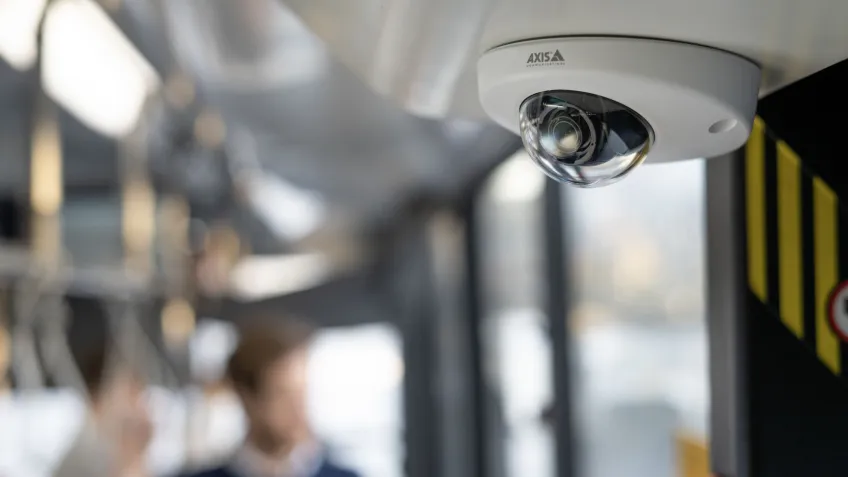
Most setups also integrate with GPS, so every frame of footage is tagged with a location and timestamp.
The basics haven't changed much. What's changed is what you can do with the footage once you have it.
Benefits of onboard cameras
Most transit operators install cameras for safety and security reasons. But the footage ends up being useful in ways nobody planned for. From settling fraudulent claims, spotting maintenance problems, understanding how routes actually run day to day.
Prevent crime and support evidence collection
Visible cameras can stop most trouble before it starts. When something does happen, you've got clear footage instead of conflicting stories. That matters for your commuters, your drivers, and the police report. It's not just security hardware. It's peace of mind for your commuters, your drivers, and your team.
Enhance passenger and staff safety
When something goes wrong, footage lets you ask better questions. Not just what happened, but what you'd change, in training, in policy, or in vehicle design, so it doesn't happen again. That's how a camera system stops being reactive and starts making your operation genuinely safer over time.
Protect against vandalism and secure assets
Transit vandalism is the quiet, costly kind. Damage nobody spots until the vehicle's back at the depot. Cameras discourage most of it, and when damage does happen, you know exactly when and where it happened.
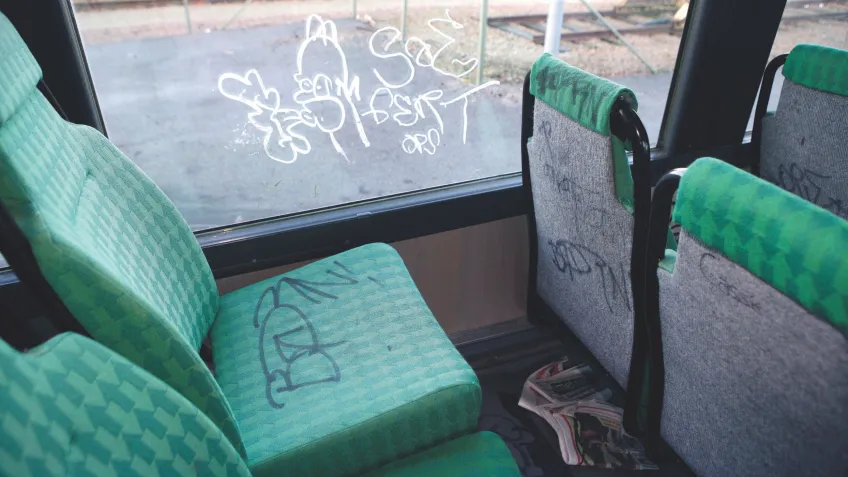
See what’s happening on your routes
The same cameras that protect passengers also show you how your operation is actually running. Overcrowding patterns, schedule slippage, road stretches that need attention. All of it sitting in footage you're already recording.
8 features to look for when choosing your onboard surveillance system
When selecting a transit video surveillance system, understanding which capabilities truly matter is essential.
Here are eight things worth paying attention to when you're comparing options:
1. High-resolution cameras
Better resolution means better evidence, capturing faces, details, and license plates. A single high-res camera can also cover ground that would otherwise need two or three lower-resolution units, which simplifies your installation and keeps costs down.
Furthermore, this detailed imagery improves the accuracy of video analytics like people counting and behavior analysis. These features enhance safety and security by offering clear proof and deterring vandalism.
2. Durable and robust design
As we’ve mentioned before, transit cameras live with constant vibration, temperature swings, dust, moisture, impacts, and even harsh cleaning chemicals.
If the hardware can't handle that environment year after year, you'll spend more on replacements and vehicle maintenance downtime than you saved on the cameras themselves.
3. Low-Light performance
Transit doesn't stop at sunset. Wide Dynamic Range (WDR) balances extremes in the same frame so you get usable detail across the whole image. Pair that with technology like Axis Lightfinder and you're getting full-color footage in near-darkness, not grainy, green-tinted night vision.
That also means fewer supplemental lights to install, power, and maintain on every vehicle.
4. Weatherproof and vandal-proof
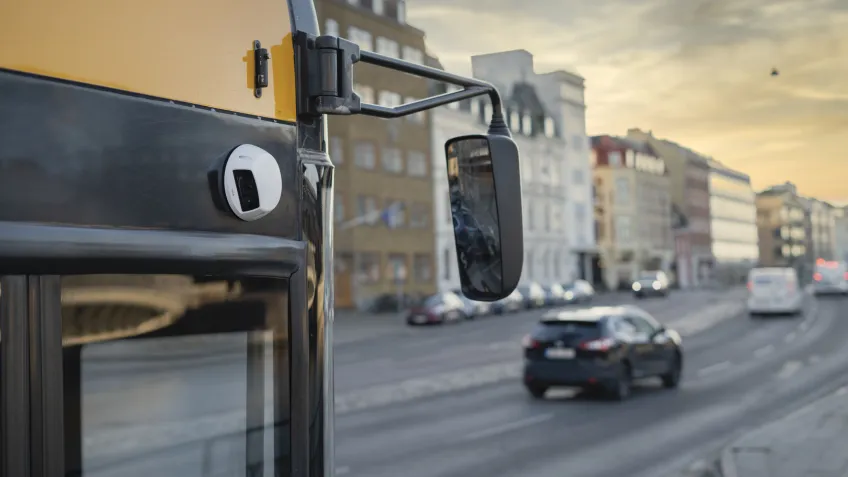
Exterior cameras face rain, road spray, and UV exposure. Interior cameras get hit with cleaning chemicals, moisture, dust, and occasionally passengers. Both need sealed, impact-resistant enclosures that hold up without constant maintenance.
5. Long-lasting and future proof cameras
A train carriage can stay in service for 30 or 40 years. Your cameras won't last that long but swapping them shouldn't mean redesigning the system.
Look for manufacturers that keep the same camera form factor across generations. Maintain backward-compatible application programming interfaces (APIs) so your video management system (VMS) integrations don't break with every hardware refresh, and deliver regular firmware updates for security.
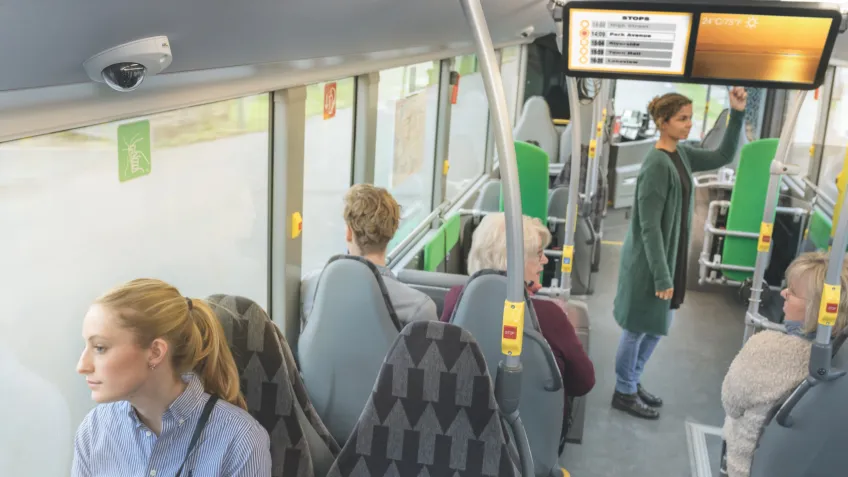
Edge processing power matters too. Cameras that can run analytics locally are better positioned to grow with future AI capabilities without overloading your network.
This high-quality data remains valuable and usable for longer, even as analytical tools and security requirements evolve, ensuring the initial investment continues to pay dividends for years to come.
6. Flexible horizontal field of view
Exchangeable lenses let you match each camera to its location, such as wide-angle for a broad cabin, narrower for a forward road view or a long aisle. That flexibility means better coverage with fewer cameras, and no blind spots you only discover after installation.
7. Deep learning capabilities
On-camera analytics have gone from novelty to genuine operational tool. Passenger counting, space availability, driver fatigue detection, route optimization all running at the edge without flooding your network with raw video.
Audio analytics add another layer. Detecting raised voices, breaking glass, or unusual noise levels. Cameras that started as a cost of doing business are now returning measurable value every day.
8. Total cost of ownership
The cameras themselves are often a small part of a system’s total cost of ownership (TCO). What adds up is everything around them, such as power usage, storage, monitoring, maintenance, and downtime when something fails.
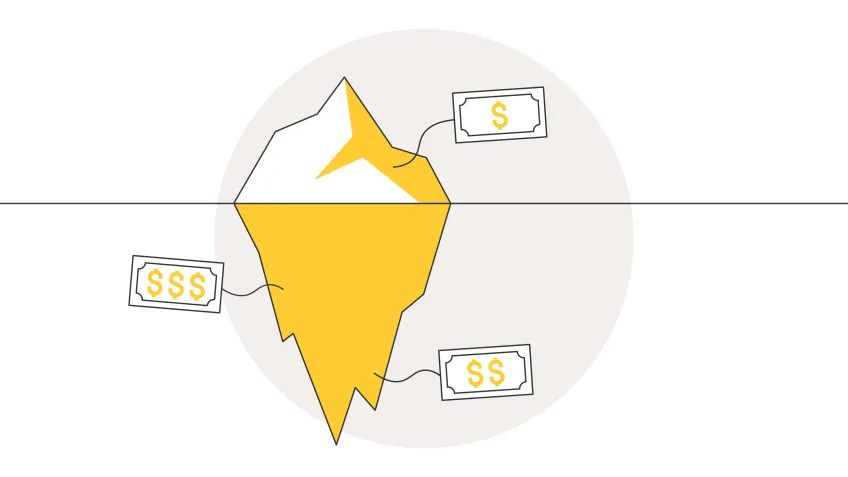
A camera with efficient compression generates less data and needs less storage. A camera with lower power consumption lets you use smaller, cheaper switches. And a camera with a low failure rate keeps your vehicles in service instead of sitting in the depot waiting for a technician.
How public transit can benefit from onboard cameras
So far, we've covered what these systems do and why the features matter. Now let's look at where they make a difference, starting with the two environments most transit operators are equipping first.
Rolling stock
On trains and trams, visible cameras deter crime and vandalism before they happen. When incidents do occur, for example a medical emergency, an assault, a theft, you've got timestamped, high-quality evidence instead of witness statements that don't line up.

But the bigger, less obvious payoff is operational. Footage of passenger flow and dwell times helps you understand where schedules are realistic and where they're not.
Remote access to live and recorded video gives your control room real situational awareness during disruptions, not secondhand radio reports. And post-incident review helps you tighten protocols based on what actually happened, not what someone remembers.
Buses
Buses are a higher-interaction environment. Drivers deal with the public face-to-face all day. Cameras protect them. They discourage fare evasion, de-escalate disputes by their presence alone, and give you clear evidence when a driver is falsely accused of something.
On the operations side, the same footage shows you what's actually happening on your routes, Boarding bottlenecks, recurring delays, traffic patterns that your schedules don't account for. That's not just security data, it's service improvement data you're already collecting.
Axis transit video surveillance system in action
Nobina, one of Sweden’s leading bus operators, replaced its outdated onboard analogue cameras with a reliable, scalable transit video surveillance system.
Camera design played a critical role in the deployment. The network cameras needed to be discreet yet robust enough to withstand vibrations, temperature variations, dust, and moisture typical of daily transit operations, while also supporting anti-tampering alarms that trigger if a camera is blocked or vandalized.

Beyond improving safety for passengers and drivers, Nobina needed a solution that enabled a more efficient, centrally monitored onboard surveillance system that reduced manual handling and improved incident response.
“Enabling people around the world to safely and securely get to work or school each day is a top priority for those responsible for public transportation. Video surveillance is one of the most important tools to assist personnel and help public transportation companies meet this goal,” says Alain Flausch, Secretary General of UITP.
What lies ahead for onboard cameras
Onboard cameras are already standard on most fleets. What's changing is how much they're expected to do. Not just record, but analyze, flag, and inform decisions in real time.
That means more cameras per vehicle, more analytics running at the edge, and more pressure on manufacturers to deliver all of that without making passengers feel like they're riding inside a surveillance booth.
The operators who get this right won't just have safer fleets. They'll have smarter ones.
