

Every year, Emergency Medical Services (EMS) crews in the United States respond to an estimated 60 million 911 calls, and a troubling number of those calls put the responders themselves in danger.
A survey by the National Association of Emergency Medical Technicians (NAEMT) found that data consistently shows that more than half of EMS professionals have experienced physical violence on the job. It's a problem the industry has talked about for years but has struggled to solve.
Body worn cameras for EMS won't fix that overnight. But a growing number of healthcare facilities are finding that they help, not just with safety, but with training, documentation, and accountability in ways that are hard to replicate with other tools.
Of course, strapping a camera to a paramedic's chest in a medical setting raises real questions. What happens to the footage of a patient in their most vulnerable moment? Who sees it? How long is it stored?
These aren't afterthoughts. They're the first things any responsible healthcare administrator needs to work through before a single camera gets turned on.
That's what this article digs into. Where body cameras are genuinely making a difference for EMS teams, and what it actually takes to use them without compromising patient trust.
What are the benefits of EMS body cameras?
The case for body cameras in law enforcement has been building for over a decade. EMS is a different environment. It’s more clinical, more intimate, and more legally complex. But many of the same underlying benefits apply, along with a few that are unique to medical response.
Protect EMS responders
Violence against EMS workers isn't an edge case it's a routine occupational hazard. NAEMT data shows that more than 60% of EMS professionals have experienced some form of physical aggression on the job.
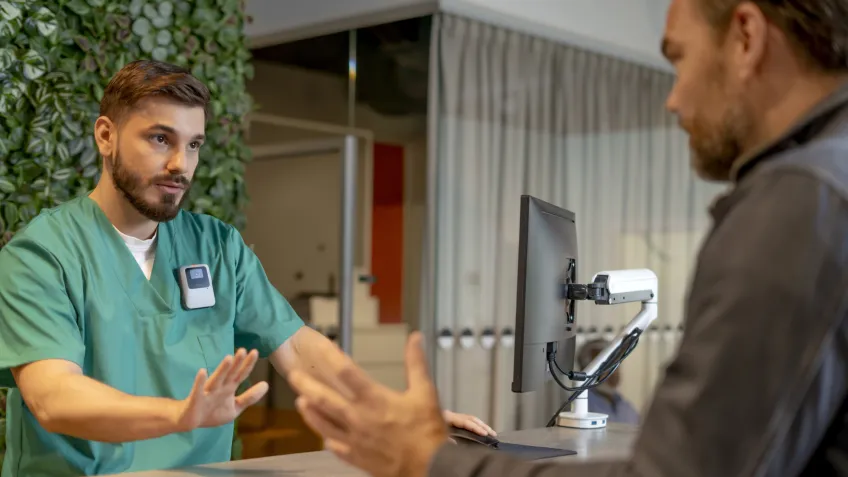
A visible body camera for EMS won't stop every incident, but the deterrent effect is real. When people know they're being recorded, the situation changes. For crews working two-person trucks in unfamiliar neighborhoods at 2 a.m., that shift matters.
Strengthen quality assurance
Written reports capture what the crew remembers. EMS body camera footage captures what actually happened, including the things no one thought to document. Footage can be reviewed to see how protocols were followed in real time, spot procedural gaps, and identify patterns across multiple calls.
Build better training around real calls
Textbook scenarios are useful, but they're clean. Real calls aren't. EMS body camera footage lets training officers pull actual cases.
Situations like a difficult airway in a cramped hallway, a pediatric seizure with panicking parents, and walk trainees through what went right, what went sideways, and what they'd do differently.
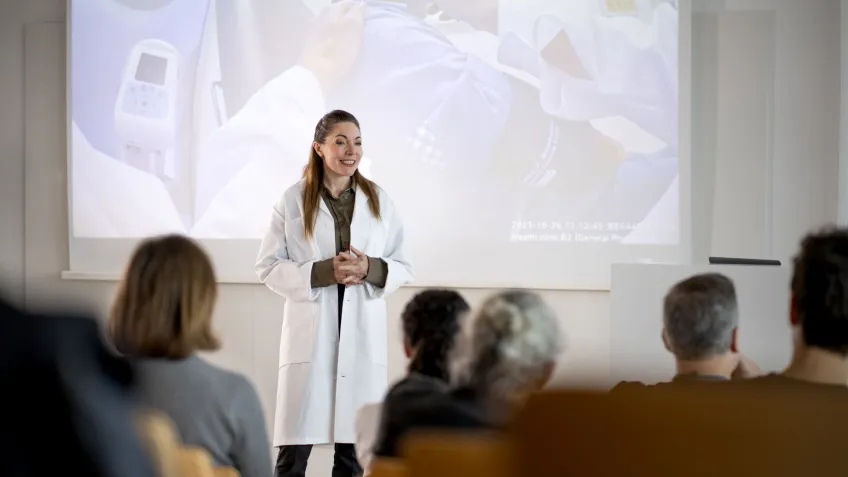
For new EMS responders especially, seeing the pace and pressure of real scenes before they're in one is something a classroom simulation can't replicate.
Document incidents from arrival to handoff
A body camera for EMS gives you a continuous, time-stamped record from the moment you step out of the ambulance to the moment you hand the patient off at the hospital.
That record has cleared crews of false complaints, and it's also surfaced legitimate issues that needed to be addressed. Both outcomes are valuable.
Fill the gaps in post-call reporting
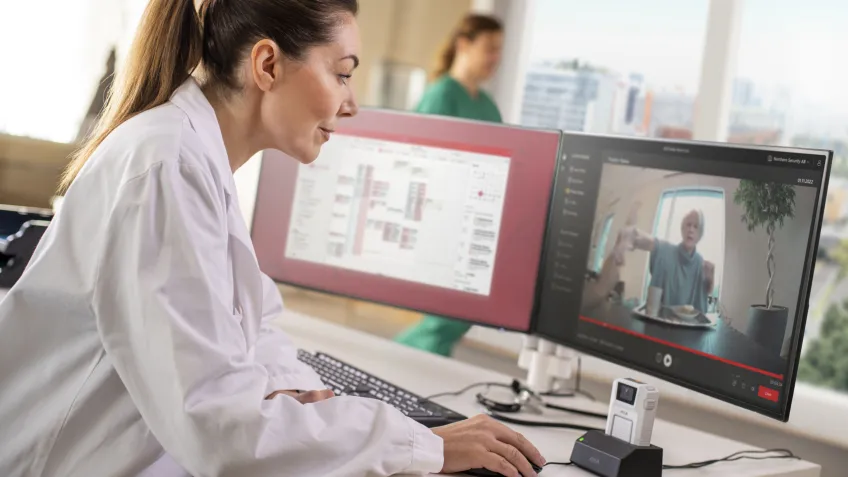
Expecting any paramedic to write a truly accurate report after the fact, especially after situations of high pressure, isn’t easy. The order of events blur, timestamps get estimated, and observations made in the first 30 seconds on scene don't always make it into the narrative.
Footage doesn't replace the written report, but it gives crews something to review before they write it. The result is documentation that holds up better under clinical review, legal scrutiny, or both.
Improve wellbeing of staff
EMS has a burnout and retention problem that predates the pandemic but has gotten measurably worse since. But what crews consistently say is that feeling exposed and unsupported on scene makes a hard job harder.
Knowing there's an objective record that can back you up if something goes wrong, or if someone says something went wrong when it didn't, takes one source of stress off the table. In an industry where healthcare facilities are struggling to keep experienced people, that matters more than it might sound.
Key aspects of patient data privacy
None of the benefits or footage will be of value if your crews are recording patients without a clear framework for how that footage gets handled. An EMS body camera captures some of the most sensitive information imaginable.
Not just a patient's face and voice are captured, but their condition, their home, their conversations with clinicians in moments of crisis.
That's HIPAA-protected data, and in the EU, it falls under GDPR. Regulatory exposure is real, and it's not something you can figure out after deployment.
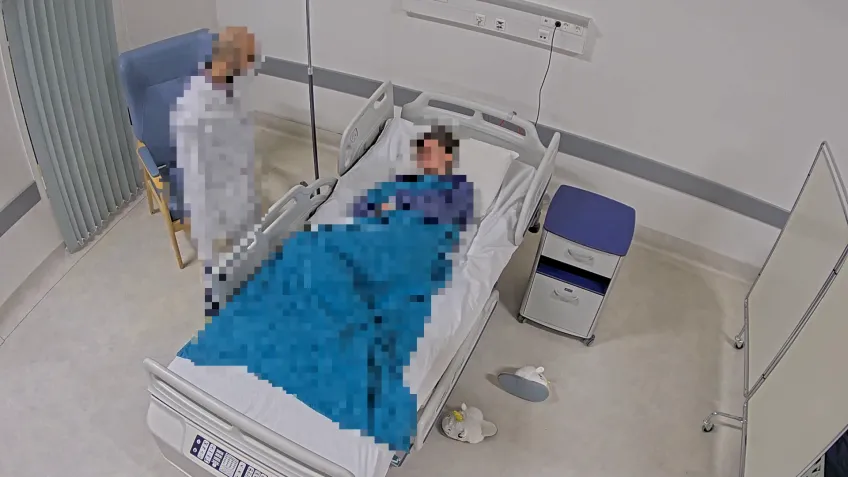
- Protect patient information: The obvious concern is the patient themselves — their face, their voice, their visible condition. But EMS body cameras are indiscriminate. They also pick up prescription bottles on a nightstand, conversations between family members in the background, or a whiteboard in an emergency room hallway with another patient's name on it. Protecting patient information in this context means thinking beyond the intended subject of the recording and accounting for everything else the camera sees and hears on scene.
- Understand legal and ethical obligations: Consent is the clearest example. In a law enforcement stop, an officer can generally record without asking. In a medical response, you're capturing protected health information the moment you walk through the door. Your patient may be in no position to have a conversation about data rights. Healthcare facilities need clear internal policies on when cameras activate, whether patients or bystanders can request recording to stop, and how long footage is retained when no incident report is filed.
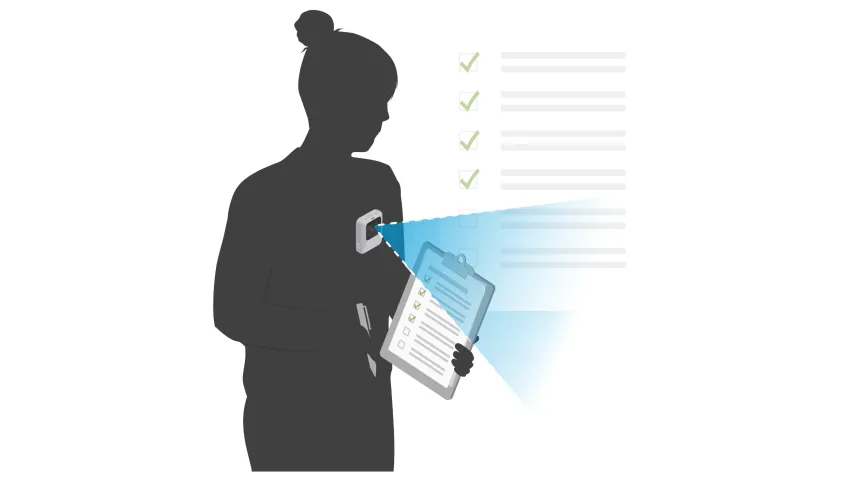
- Empower patients to manage their data: In an ideal scenario, you'd explain to every patient that a camera is running, what the footage will be used for, and how long it'll be stored. In practice, that conversation can't always happen. But transparency still matters in the moments where it is possible. A simple verbal acknowledgment goes further than most caregivers think. For the calls where the patient isn't in a position to hear it, the policy should spell out how they can access information about the recording after the fact.
- Limit access to authorized users: Most healthcare administrators understand that not everyone should have access to body camera recordings. The harder question is where to draw the lines in practice. Access to body camera footage must be strictly controlled. Only individuals with a legitimate need, such as the treating paramedic, quality assurance personnel, or legal counsel, should be able to view the recordings. This is often managed through role-based access control systems.
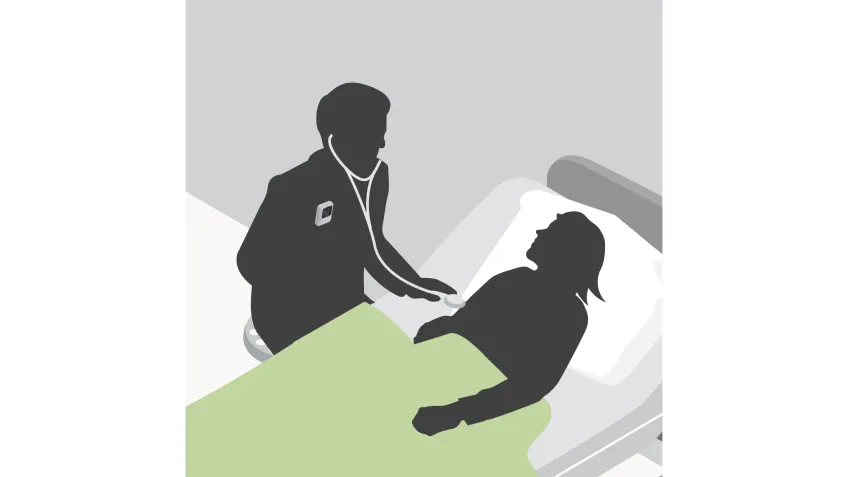
- Implement security measures: The technology matters too. Footage should be encrypted at rest and in transit. Don't overlook the basics: cameras that can be physically removed from a dock by anyone in the station, or footage stored on local drives without access logging, will undermine everything else in your privacy framework.
- Regulate permitted sharing: Policies must clearly define the limited circumstances under which footage can be shared. This could include law enforcement purposes with a warrant, quality assurance reviews, or specific training scenarios where patient identity is protected.
- Report breach information: In the unfortunate event of a data breach, the healthcare facility must have a clear protocol for promptly notifying affected patients and regulatory bodies, as required by law.
- Manage third-party data sharing: If data is stored or managed by a third-party vendor (e.g., in the cloud), the EMS agency must have a formal agreement, such as a Business Associate Agreement under HIPAA, that ensures the vendor also adheres to all data privacy and security requirements.
How to ensure patient data privacy in body worn cameras in hospitals
Policy tells people what they're supposed to do. Technology determines what they're able to do. The best EMS body camera platforms don't just store footage securely. They make it structurally difficult to mishandle it in the first place.
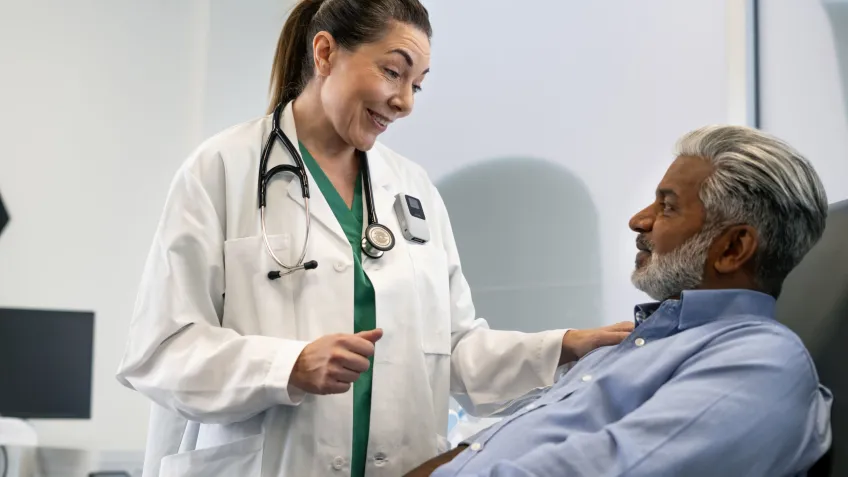
That means privacy controls need to be baked into the system at the hardware level, not bolted on through IT workarounds after deployment.
- Reduce camera loss vulnerability: Devices can get lost or stolen. A secure system ensures that if a body worn camera goes missing, the data on it remains inaccessible. Features like on-device encryption mean the footage is unreadable without the proper decryption key, which is not stored on the camera itself. When the camera is docked, it authenticates itself to the system before any data is transferred, rendering a lost device useless to an unauthorized person.
- Secure the data transfer and storage: The journey of the data from the camera to its storage location is a critical point of vulnerability. Leading systems use secure, automated processes. Once the body camera is placed in its docking station, the footage is automatically offloaded to a secure local or cloud-based management system. This transfer should be encrypted, preventing anyone from intercepting the data in transit.
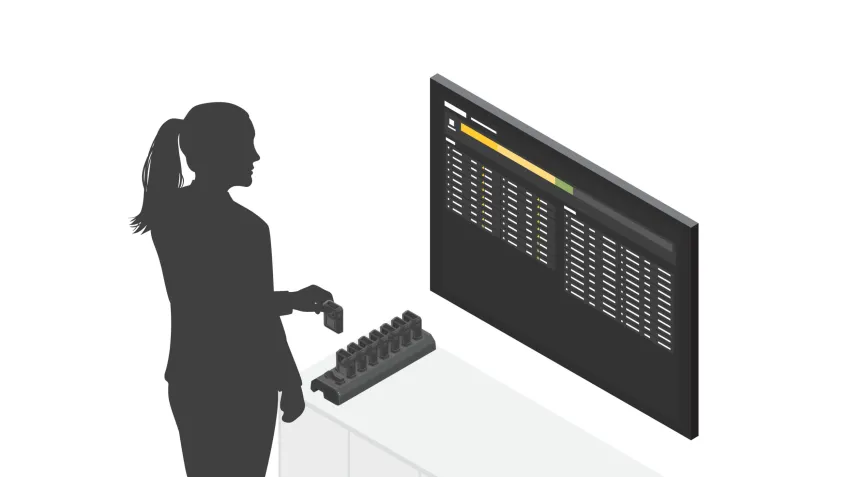
- Protect against video tampering: To be useful as evidence and for quality assurance, the integrity of the footage is paramount. The body worn camera footage must be protected from an unauthorized alteration, editing, or deletion. Secure systems achieve this by creating a digital signature or hash for each video file. Any modification to the file would change this signature, making it immediately obvious that tampering has occurred and preserving the chain of custody for all body worn camera evidence.
- Ensure end-to-end encryption: This is the gold standard for data security. End-to-end encryption means the video data is encrypted the moment it is recorded and remains encrypted at every point in its lifecycle, on the camera, during transfer from the camera to the server, and while it is at rest in storage. Only authorized users with the correct credentials can decrypt and view the footage, providing the highest level of protection against unauthorized access from any source.
Axis body cameras for EMS in action
CoxHealth, a premier healthcare provider in southwest Missouri, recognized the growing need to address workplace violence and enhance the safety of its patients, visitors, and staff.
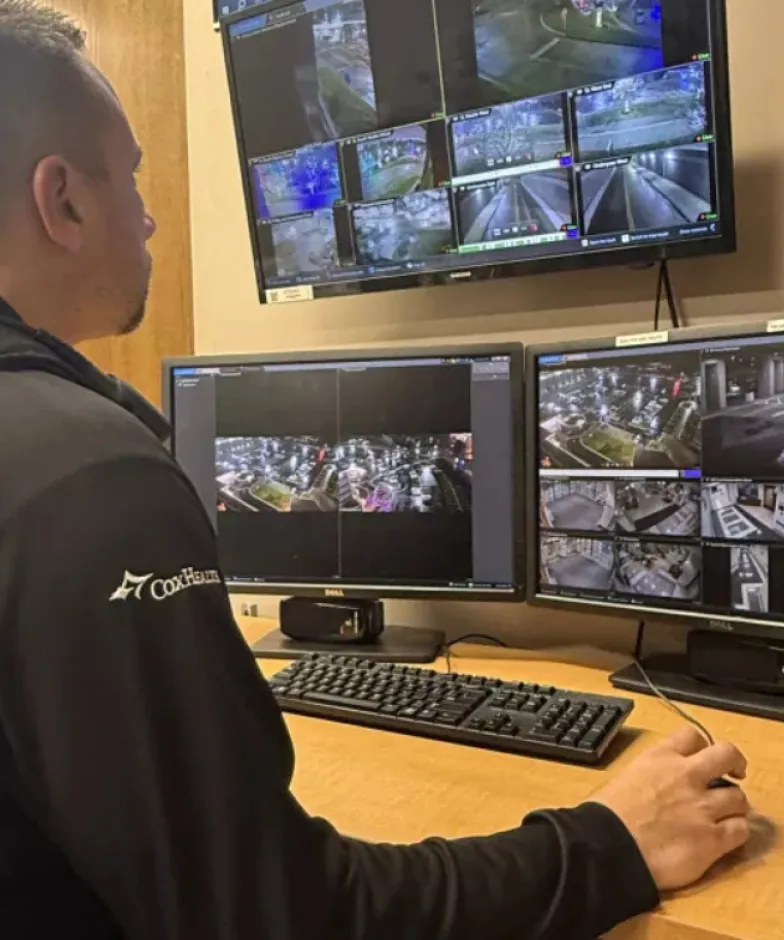
To meet these challenges, the organization made the decision to implement an Axis body worn camera solution for its public safety and security officers. This decision was driven by the goal of de-escalating aggressive incidents and improving security across its facilities.
The choice of Axis was a strategic one, as the new body worn cameras seamlessly complemented the hundreds of Axis network cameras already operating throughout CoxHealth's hospitals and clinics, creating a more comprehensive security environment.
The implementation of the Axis body worn solution has successfully enhanced operational safety and accountability. The presence of the cameras acts as a deterrent, helping to de-escalate potentially violent situations and holding all parties to a higher standard of conduct.
Moreover, the adoption of this technology has fostered a safer and more secure atmosphere for the entire healthcare community. CoxHealth's commitment to leveraging state-of-the-art security has been pivotal in protecting its staff and ensuring a safer experience for patients and visitors.
Conclusion
The case for body cameras in EMS is strong — and getting stronger as more healthcare facilities pilot programs and publish results. But the technology only works if the implementation is done right.
That means getting your privacy framework in place before deployment, not figuring it out after a complaint forces the conversation.
Choose a system designed for healthcare from the start, not one adapted from a platform that wasn't built with patient data in mind.
And bring your crews into the process early — they're the ones wearing the cameras, and their confidence in the program will shape how well it actually works in the field.

