

Security in schools has always been a big conversation. How do you keep everybody on campus safe without disrupting the learning environment? Nobody wants their school to look or feel like a prison.
Technology can help find that balance. With the right set up in place, you can address real and present security concerns while keeping your campus welcoming.
Across this guide, we're going to walk through what a modern school security system looks like, explore the key components that make one effective, and look at how to choose the right solution for your campus.
What is a modern school security system?
The image of a few grainy cameras wired to a VCR in a back office is outdated. A modern school security system is an integrated and unified security network, usually consisting of:
- Cameras
- Sensors
- Speakers
- Public address system
- Access readers
- Intercoms
The goal is campus-wide security that gives your team the tools for real-time threat detection and faster emergency preparedness. Rather than a few cameras working in isolation, a networked system brings everything into one place.
Take the example of someone forcing open a side door during school hours. In an integrated system, that event can automatically trigger an alert on a security officer's screen. It can pull up the nearest camera feed. It can lock adjacent doors. No phone calls, no delays.
This layered security approach shifts from reacting after something happens to proactive safety across your entire campus.
Key components of an effective school security system
An effective school security system is made up of several key components. Each one serves its own purpose, but the real value comes when they work together. Let's look at what those components are.
Implement comprehensive access control
One of the first points of order should be implementing a strong school access control systems solution. This replaces more traditional entry methods, such as keys, which can be copied, lost, stolen, or forgotten in drawers.
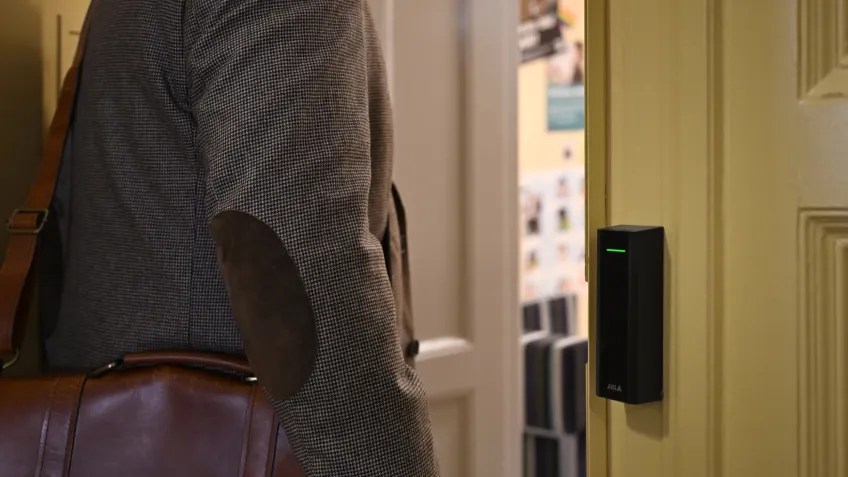
Access control systems are made up of credentials like key cards, fobs, or even biometric scanners. This allows you to grant specific permissions to specific people, such as personnel and students, for specific areas and times.
It also means you can instantly revoke access for a lost card or a former employee from a central management software.
A comprehensive strategy secures every entry point, from the front door to side entrances and staff-only areas and creates a perimeter you can actually monitor.
Utilize advanced video surveillance
School video surveillance has moved on. Cameras are sharper, low-light performance is better, and storage costs have come down. Remote and centralized viewing means your team isn't tied to a single monitor room either. They can pull up live or recorded footage from a security office, a district building, or wherever they happen to be.
The bigger change, though, is video analytics. Instead of someone sitting in front of a wall of screens all day, these systems can pick up on things automatically. That could be a vehicle going the wrong way in a bus lane, a person entering a restricted zone after hours, or movement in a building that should be empty.
So rather than checking footage after the fact, your team can catch and respond to things as they happen
Integrate emergency communication systems
In an emergency, getting the right information to the right people quickly matters. By networking your school's public address systems together, a single action, like pressing a panic button, can trigger automated alerts across every channel at once.
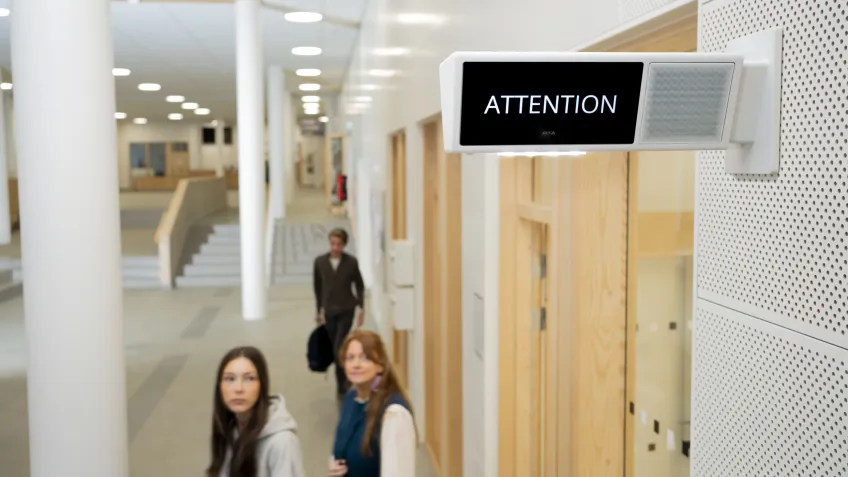
Audio announcements can be broadcast over intercoms and speakers, and doors can even lock automatically. All because those systems are connected and talking to each other.
Streamline visitor management
Knowing who is on your campus at any given time is a basic security requirement. A visitor management system for schools replaces the paper sign-in sheet with a digital process.
When a guest arrives, the system can scan their ID and check it against watchlists. Once approved, temporary access is granted to visitors via smart phones. This creates a digital log of every visitor on campus in real-time.
There's a practical benefit here that's easy to overlook. During a fire drill or a real evacuation, you have an accurate list of every non-student, non-staff individual who needs to be accounted for. That's something a paper clipboard can't reliably offer.
Install intrusion detection and alarms
Schools are unoccupied more hours than they're occupied. Weekends, holidays, summer break. That's a lot of time where buildings sit empty. Intrusion detection covers those gaps.
These systems use a network of sensors to monitor buildings after hours. Door contacts, motion detectors, glass-break sensors. Even security cameras equipped with video analytics can detect a person's presence.
If a sensor is triggered, the system can sound an alarm, alert your security team, and notify local law enforcement.
When tied into your video surveillance, you also get immediate footage of the event. That means responders know what they're walking into before they arrive.
Improve security and safety with body worn cameras
Body cameras in schools are becoming more common for security officers and administrators. They provide a first-person record of interactions and incidents on campus by capturing things exactly as they happen.
That footage can help in a few ways. It can support fair investigations when accounts of an event conflict. It can help de-escalate situations when people know they're being recorded. And it can give staff real examples to learn from in training.
By documenting events as they happen, body cameras can go some way to building accountability and trust across the campus.
Address the issue of vaping with environmental sensors
Vaping and smoking in schools is a common problem, and it tends to happen in places like bathrooms and locker rooms where cameras can't go.
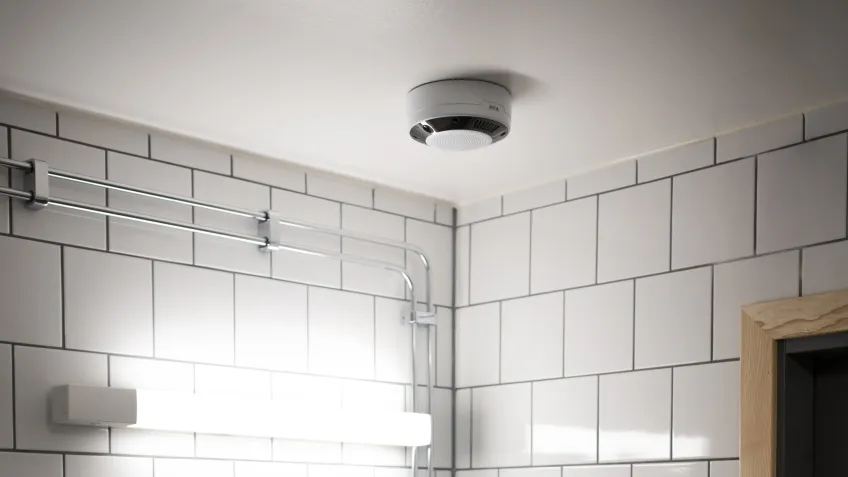
Environmental sensors and vape detectors for schools can help. These devices detect the chemical signatures of vape aerosols or smoke and send a silent alert to a staff member's phone or computer, identifying the exact location. These devices detect the chemical signatures of vape aerosols and send a silent alert to a staff member's phone or computer, identifying the exact location.
There's no classroom disruption. Just a quiet notification that allows for a quick response.
Simplify operations with multisite management
For school districts managing multiple campuses, running separate security systems at each site creates complexity. Different software, different credentials, and different reporting tools all add up.
A centralized multisite management platform can bring all of your intelligent devices into one place. Cameras, analytics, sensors, access control, PA systems. All managed from a single interface. Your district-level team can view live video, handle alerts, manage access, and pull reports from any school in the district without switching between systems.
It also helps to have permission-based rules in place, so different administrators and operators only see and access what's relevant to them. A site-level security officer doesn't need the same view as a district-wide administrator.
The software itself should be straightforward to use. If your team has to dig through menus to find an alert or respond to an event, it slows everything down. The easier it is to operate, the more likely it is to be used properly across every campus.
The benefits of investing in school safety technology
It's easy to frame security spending entirely around worst-case scenarios. And faster emergency responses do matter. But the day-to-day benefits are worth talking about too.
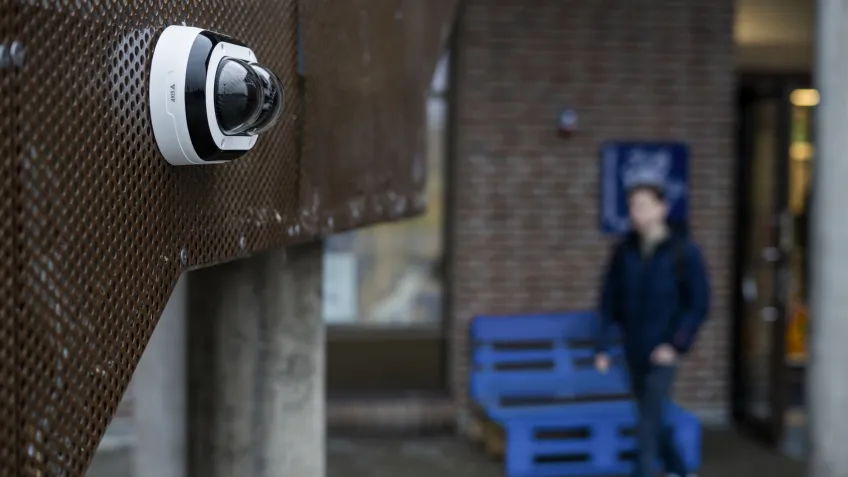
A visible security system goes a long way toward deterring threats like vandalism, unauthorized access, and policy violations. It also helps with protecting assets, from equipment and facilities to the things that are harder to put a price on, like student safety.
Integrated tools lead to improved campus management and free up time for staff, so security doesn't become something that slows down campus operations.
And when parents, teachers, and students can see that safety is being taken seriously, that brings peace of mind.
How to choose the right security system for your school
Choosing a new security solution can seem overwhelming. Here we’ll look more closely at what to look for.
Conduct a thorough security assessment
Before choosing any technology, it's worth understanding where your gaps are. Walk through your campus at different times of day. Where are the blind spots in your camera coverage? Which entrances are unmonitored? Are there areas where students gather that need better oversight?
This is also a good time to create policies in case of emergencies. If something happens, who does what? Who gets notified? What's the chain of command? Having those answers documented before you select technology means you can choose systems that support those plans.
Resources like the School Security Assessment Tool from SchoolSafety.gov can help structure this process. Consider bringing in a professional security consultant with experience in education. They can often spot things that are easy to miss when you see the same campus every day.
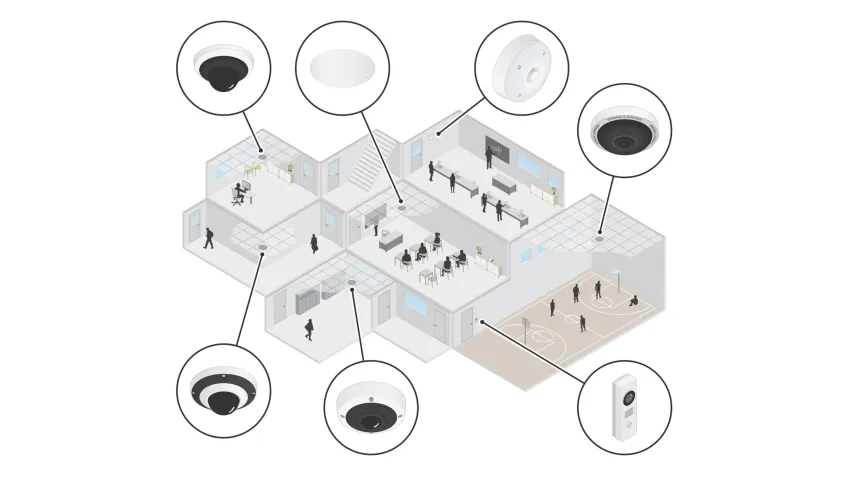
Define your school's specific needs and budget
Every campus is different. A small elementary school doesn't need the same setup as a high school with multiple buildings, athletic fields, and a thousand students. Your layout, your population, and your specific concerns should shape the system, not the other way around.
From there, build a realistic budget around what you actually need. Get the right people involved early, from administrators to facilities teams. If the budget is shaped without their input, you'll end up either overspending or leaving gaps.
Explore funding and grant opportunities
Security systems aren't cheap, but there are funding options out there that can help. Grant programs exist specifically to help schools improve their security.
These grants are designed to provide funding for cameras, access control, communication systems, and more. Start researching what's available early in the process. It can open up options that might not seem realistic on your original budget alone.

It provides funding for cameras, access control, communication systems, and more. Start researching what's available early in the process. It can open up options that might not seem realistic on your original budget alone.
If you need funding or grant assistance with your school in the United States of Americas, please visit https://www.americas-comms.axis.com/education_grants.
Evaluate vendors and system scalability
The vendor you choose matters as much as the technology. You want a company that understands schools, not just security. Ask for case studies and references from other schools.
It's also worth choosing a vendor that offers solutions which can integrate with your existing school systems. You shouldn't have to rip everything out and start from scratch. An open platform means you can add new devices or technologies over time, rather than being tied to one brand for everything.
IP-based audio is a good example. Something like AXIS Network Speakers lets you add one speaker at a time to new classrooms or hallways.
Video analytics tools like AXIS Object Analytics mean your cameras can do more than record. They can provide data on campus traffic patterns and occupancy. This helps you make better decisions as your facility grows.
A management platform like AXIS Camera Station Pro can then tie your security, audio, and access points together into one interface. As your campus changes, the system changes with it.
Value the level of cybersecurity strategy
Your security system is a network, just like any other IT system in your district. If that network isn't properly secured, a breach could expose sensitive student data or worse.
Things to ask vendors about include encrypted communications, signed firmware, and whether their devices can be hardened to meet your district's IT policies. Find out how they handle software updates and how fast they respond when a vulnerability is found.
Check whether they provide hardening guides and support standards like IEEE 802.1X for network access control. A vendor that builds cybersecurity into their products from the ground up is very different from one that bolts it on later.
Axis school security system in action
Binghamton University in Vestal, New York manages a 930-acre campus with over 120 buildings across multiple locations. As the university grew, its aging security technology couldn't keep up.

The IT team overhauled the entire system. They replaced outdated cameras with over 1,500 Axis network cameras. They integrated Axis speakers with their emergency mass communication system, so announcements could be pushed campus-wide or to specific zones. And they installed 2N IP intercoms at dormitory entrances and emergency stations.
Security improved, but so did day-to-day operations. Analytics from the Axis cameras now give campus police early visibility into things like unusual occupancy in specific areas, so they can respond before a situation develops. Traffic management got easier. Even parking enforcement is being modernized using Axis cameras with automatic license plate recognition.
"Thanks to Axis technology, we've been able to elevate campus safety far beyond what we initially envisioned," says Dave Martin, Security Infrastructure and Support Department for Binghamton University. "We've also captured business intelligence we can use to increase efficiencies in our day-to-day operations."
Conclusion
School security isn't something you set up once and walk away from. Threats change, campuses grow, technology moves on. The systems you put in place need to be able to keep up.

But the fundamentals stay the same. Control who gets in. Know what's happening on your grounds. Communicate quickly when something goes wrong. And make sure the technology you choose actually works for the people using it every day.
If you get those things right, security stops being a constant worry and starts being something your staff, students, and parents can trust is handled.
FAQs
Learn more about the frequently asked questions about school security systems
How can we balance security with a welcoming school environment?
A lot of it is about placement and choosing the right equipment. Access control and video surveillance can be effective without being intimidating. Discreet cameras, quiet alerts, and systems that run in the background all help maintain a space where students and visitors feel welcome. Security system cost is often a concern here too, but a welcoming environment doesn't require the most expensive option. It requires a thoughtful one.
What is the role of staff training in school security?
Staff training is what makes the difference between having a security system and actually using it well. Training should cover day-to-day operation, how to respond to alerts, and what to do in an emergency. It shouldn't be a one-off session either. Regular refreshers help, especially when systems are updated or new staff come on board. Without that, even the best setup ends up underused.
How do modern systems protect student data and privacy?
Student privacy should be part of any security conversation from day one. Systems now use encrypted data, role-based access controls, and secure storage to limit who can view footage or access records. When evaluating vendors, ask how they handle student data specifically and whether their systems comply with local and national regulations.
How long does it take to install a new security system?
That varies. A smaller school with a straightforward setup might take a few weeks. A larger district-wide system installation across multiple buildings could take several months. There's planning, cabling, configuration, and testing to work through. It's also worth thinking about system maintenance early on. Ask your vendor what ongoing upkeep involves so you know what to expect once everything is running.
